KhmerRooms Guide · Siem Reap
Angkor Pass 2026: 1, 3 or 7 Days? Prices, Opening Hours and How to Buy
សំបុត្រចូលទស្សនាអង្គរ
A KhmerRooms guide
$37
Angkor Wat sunrise plus the main highlights
$62
The classic trip, and the one we recommend
$72
For photographers, history lovers and slow travellers
5:00 am to 6:00 pm
Ticket office 5:00 am to 5:30 pm
How much is the Angkor Pass in 2026? Here are the prices for the 1, 3 and 7-day tickets, which one to choose, what is included, opening hours and where to buy safely. Every visitor to Siem Reap has to answer the same question before they even pack: how many days do I need for Angkor? The pass is the one fixed cost of the trip, and it is worth getting right.
What the Angkor Pass costs
1-day pass: $37. Enough for Angkor Wat at sunrise plus the main highlights.
3-day pass: $62. The classic trip: the main circuit, the grand circuit and one outer temple.
7-day pass: $72. For photographers, history lovers and slow travellers.
The 3-day and 7-day passes do not need to be used on consecutive days, so you can take a rest day by the pool in between. Each pass has its own validity window, shown at purchase. Children under 12 enter free but should carry their passport. These are the prices published for 2026. They can change, so check angkorenterprise.gov.kh before you go.
The 3-day pass costs only $25 more than the 1-day, and it is the best value of the three. We suggest it for nearly everyone.
Only $25 more than the 1-day pass, and the best value of the three.
How many days do you need?
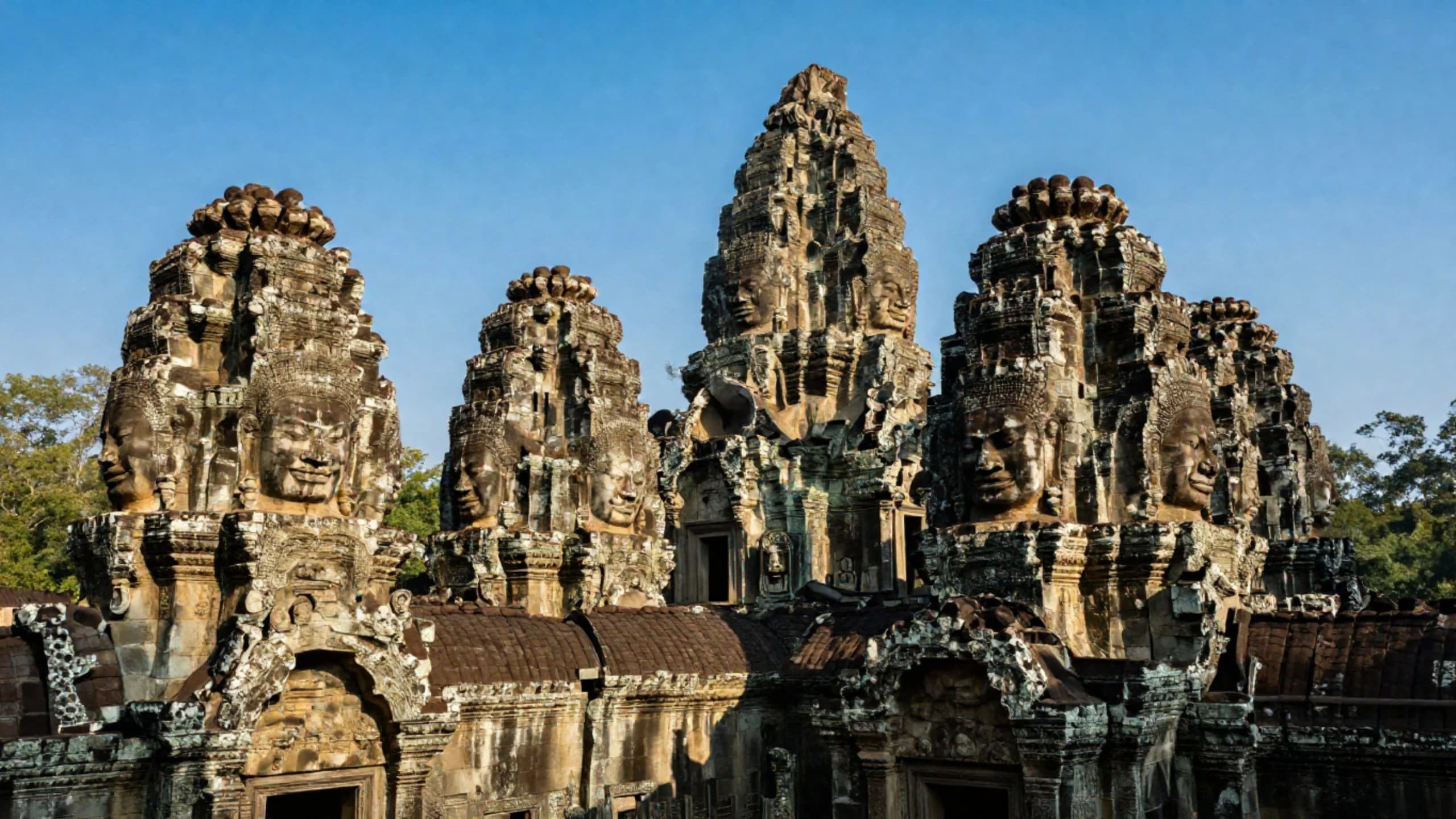
1 day. Enough if you only have a short stop. Start at Angkor Wat for sunrise, move to the Bayon when the light is good, and finish at Ta Prohm in the afternoon, when the strangler figs are at their best. It is a very long day in the heat, so wear a hat and carry water.
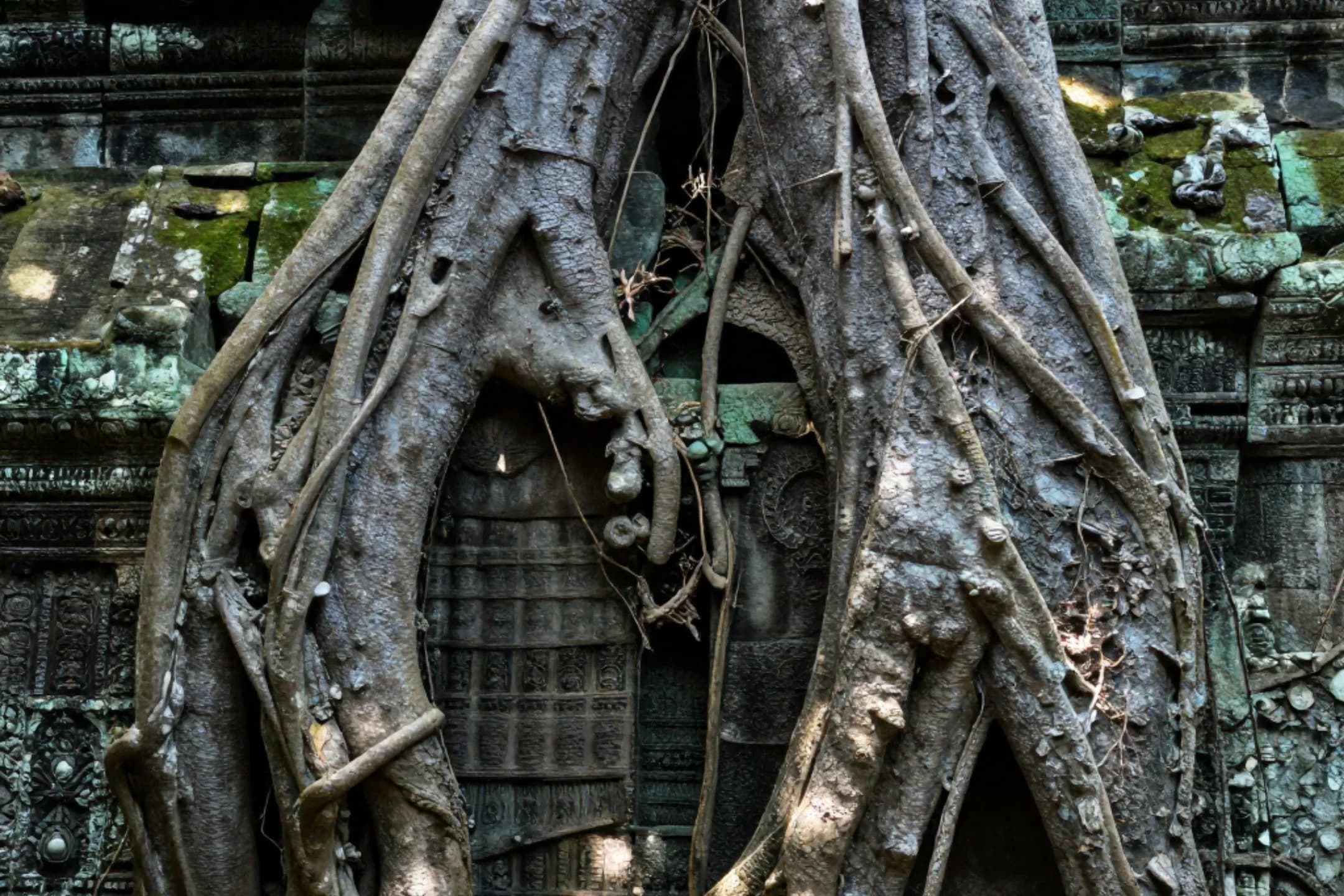
3 days. The sweet spot. Spend day one on the Small Circuit: Angkor Wat, Angkor Thom and the Bayon, and Ta Prohm. Use day two for the Grand Circuit and the quieter temples. Keep day three for Banteay Srei, the pink-sandstone citadel about 30 minutes north, or for a second sunrise.
7 days. Only if you love ruins. This gives you time for Beng Mealea, Kbal Spean (the carved riverbed) and the remote temples without rushing.
What the pass includes
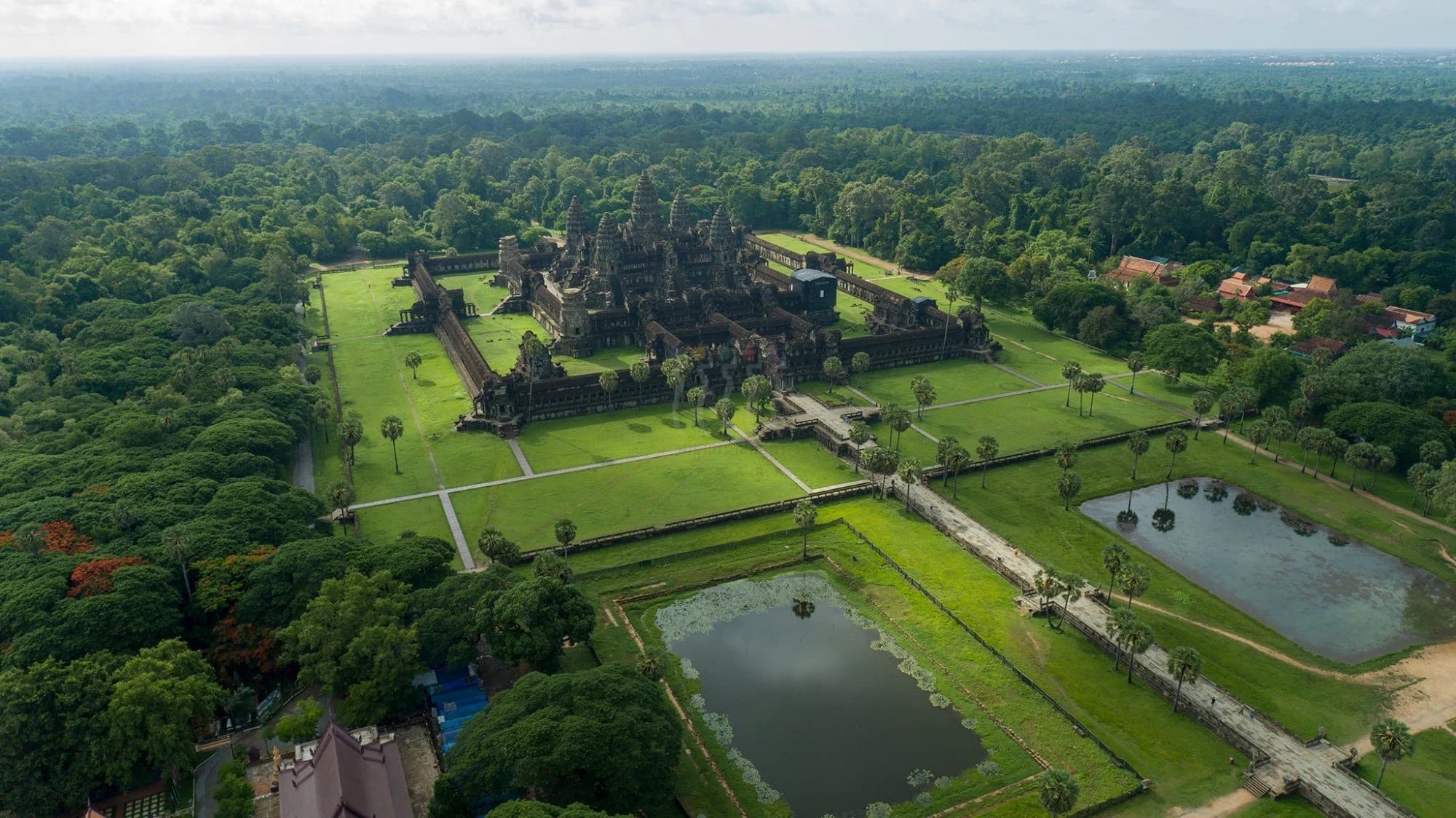
The pass covers the whole Angkor Archaeological Park, including Angkor Wat, Angkor Thom, the Bayon and Ta Prohm, and the outer sites of Banteay Srei, Beng Mealea and Kbal Spean. Phnom Kulen is not included and has its own separate ticket.
Opening hours and the sunrise trick
Angkor Wat is open from 5:00 am to 6:00 pm. The ticket office opens at 5:00 am and closes at 5:30 pm.
After 4:30 pm you can buy a ticket for the next day. It lets you into the park to watch the sunset today, and it counts as your entry for the following day, so you can be at Angkor Wat for sunrise without spending a day of your pass on the evening.
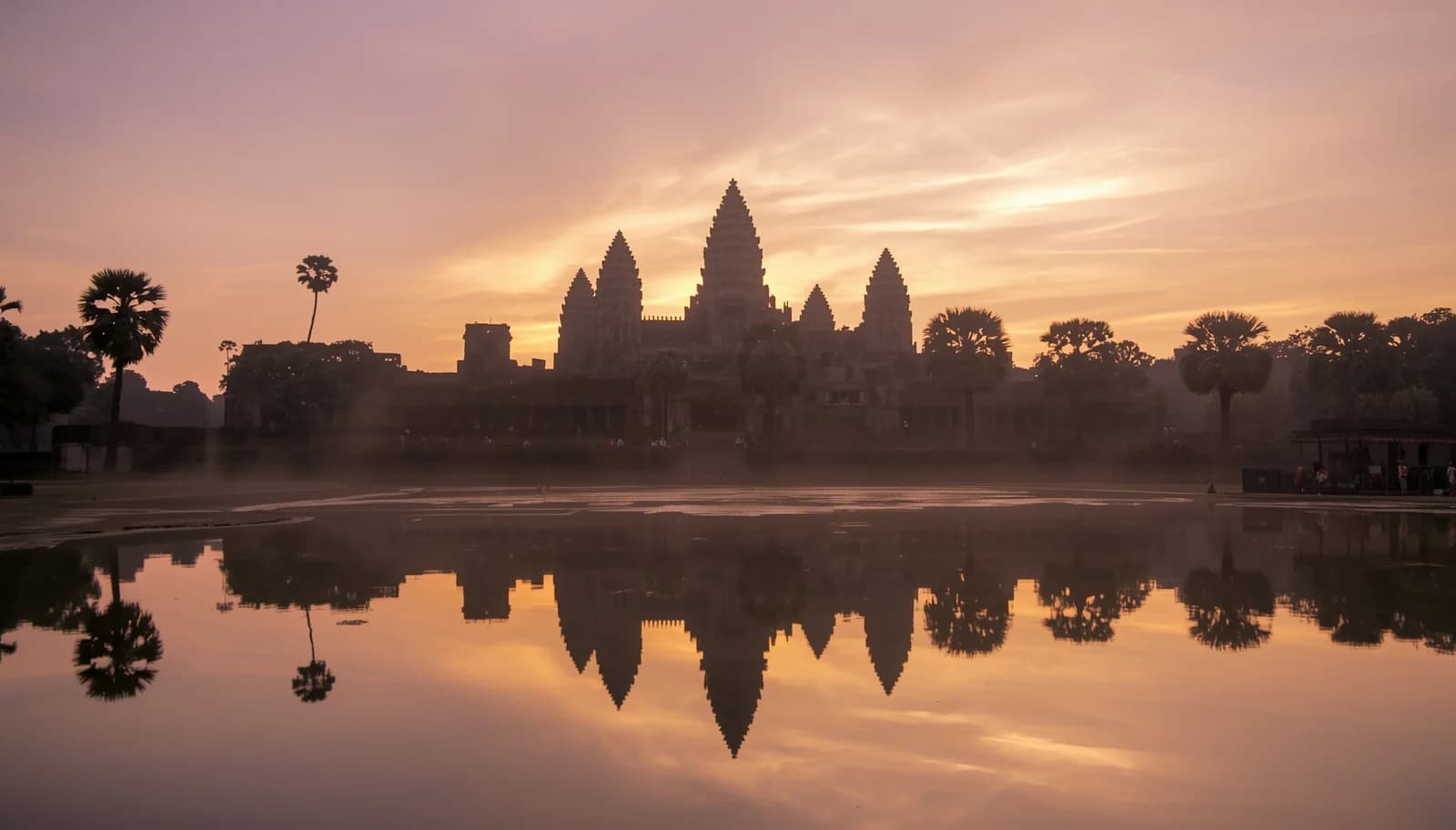
Watch tonight's sunset, and tomorrow's sunrise is already paid for.
Where to buy your pass
Buy only from official sources: online at the Angkor Enterprise website (angkorenterprise.gov.kh) or its app, at the Angkor Ticket Office in Siem Reap, or at the automated machines at the west entrance to Angkor Wat and at the Heritage Walk mall.
Be careful with resellers who offer discounted or skip-the-queue passes. Tour bundles that include a driver cost more because they include the transport, so compare like with like. Multi-day passes need a photo of you, taken at the office or uploaded when you buy online. Carry your passport.
What to wear and bring
Angkor is a place of worship. Shoulders and knees must be covered at the main temples, and you may be turned away at Angkor Wat if they are not. Bring sun protection, water and small notes for vendors and your tuk-tuk driver.
How much is the Angkor Pass in 2026?
$37 for one day, $62 for three days and $72 for seven days.
Do I need a passport for the Angkor Pass?
You should carry it, and you need a photo for the 3-day and 7-day passes. Children under 12 enter free with their passport.
Is Banteay Srei included in the Angkor Pass?
Yes. Banteay Srei, Beng Mealea and Kbal Spean are included. Phnom Kulen is not.
Can I buy the Angkor Pass online?
Yes, through the official Angkor Enterprise website and app, or at the ticket office and machines in Siem Reap.
How early should I arrive for sunrise at Angkor Wat?
Be there by 5:00 am. The park opens then, and the best positions by the lake fill up before dawn.
Where to stay
The closer you sleep to Angkor, the earlier you can start, and the better the day goes. KhmerRooms lists verified Siem Reap stays from $10 a night up to resort level, with instant KHQR payment and no foreign card needed. Browse Siem Reap stays and book your base before you buy your pass.
More from the Journal
KhmerRooms Holiday
Khmer New Year (Chaul Chnam Thmey): History, Legend and How Cambodians Celebrate
Why does Khmer New Year fall in April, and whose head is carried around Mount Meru when the year turns? This is a local's guide to Chaul Chnam Thmey: its history, the legend, the three days and the 2027 dates. For three days in mid-April the country goes quiet. Phnom Penh's streets thin out, markets pull their shutters down, and millions of people head home to their villages. Chaul Chnam Thmey (ចូលឆ្នាំថ្មី, entering the new year) is the biggest holiday of the Cambodian year, and the one every Khmer family tries to spend together.
October 30, 2026
Read more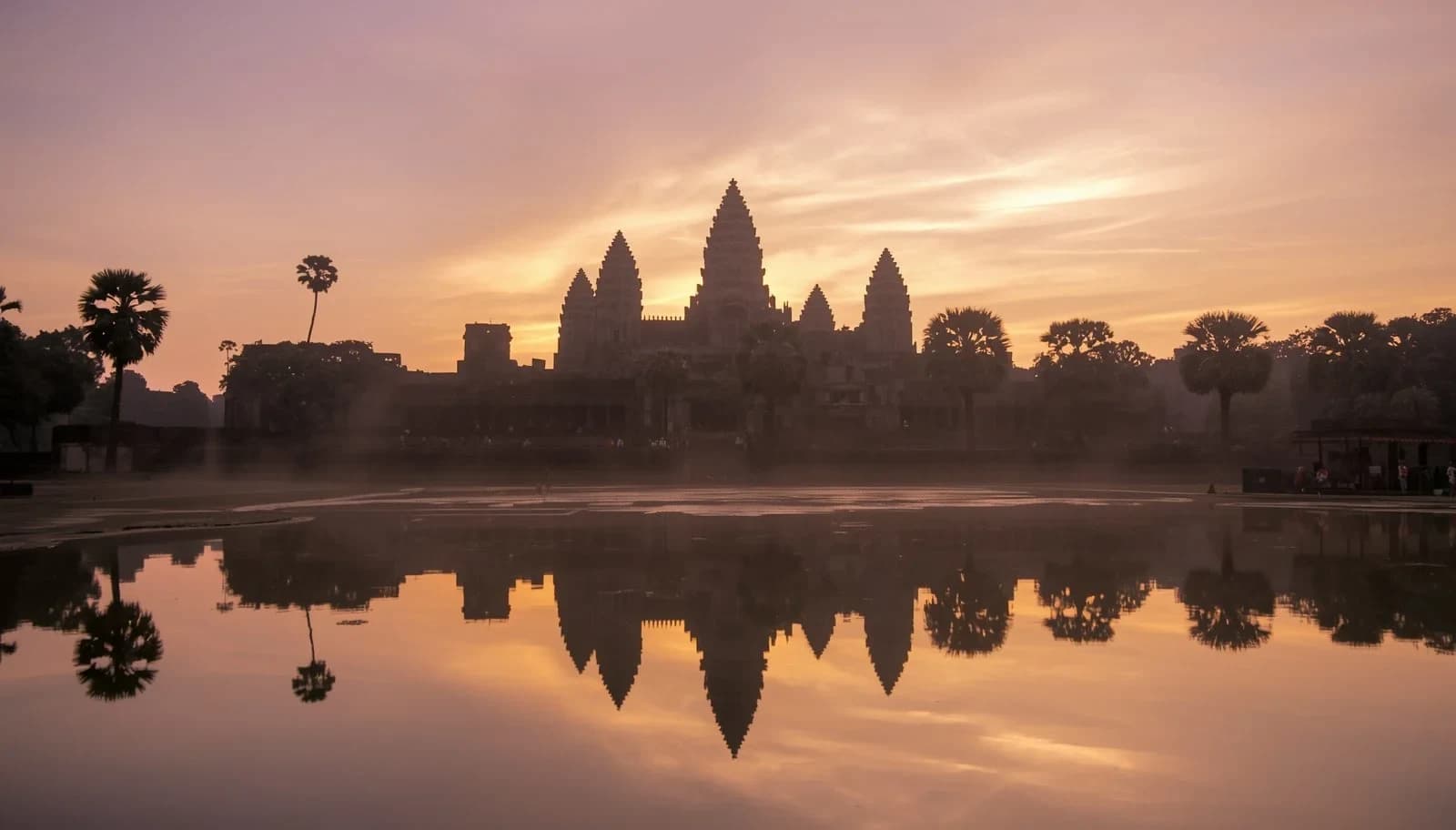
KhmerRooms Journal · Siem Reap
Angkor Wat
You have seen it a thousand times before you ever stand in front of it. It’s on the flag. It’s on the beer bottle, the riel note, the back of the school exercise book, the logo of half the businesses in town. Angkor Wat is so woven into being Khmer that it can start to feel like wallpaper — beautiful, familiar, easy to scroll past. And then you go at five in the morning, the sky behind it turns the colour of a ripe mango, those five stone towers appear upside-down in the water at your feet, and you understand why your great-grandparents thought gods had a hand in building it.
June 13, 2026
Read more
KhmerRooms Holiday
The History of Bon Om Touk: Where Cambodia's Water Festival Really Comes From
Why does the Tonlé Sap flow backwards, and what does that have to do with a 12th-century naval battle? This is the real history of Bon Om Touk, Cambodia's Water Festival. Ask ten Cambodians where it comes from and you will get at least three answers: a river, a king and a moon. All three are right, in their way. Here is the longer story behind the boat races, and it starts with a river that runs backwards.
October 30, 2026
Read more