KhmerRooms Holiday
The History of Bon Om Touk: Where Cambodia's Water Festival Really Comes From
ប្រវត្តិបុណ្យអុំទូក
A KhmerRooms guide
November 23–25
Public holiday, on the full moon of the 10th Khmer lunar month
Tonlé Sap
Reverses direction twice a year; the festival marks the turn back
Debated
Popular tradition points to King Jayavarman VII in the 12th century
Riverfront programme cancelled
The three-day public holiday still stands
Why does the Tonlé Sap flow backwards, and what does that have to do with a 12th-century naval battle? This is the real history of Bon Om Touk, Cambodia's Water Festival. Ask ten Cambodians where it comes from and you will get at least three answers: a river, a king and a moon. All three are right, in their way. Here is the longer story behind the boat races, and it starts with a river that runs backwards.
The river that runs backwards
Most rivers have one direction. The Tonlé Sap River has two. For half the year, in the dry season, it drains the great Tonlé Sap Lake south into the Mekong at Phnom Penh. Then the monsoon arrives, the Mekong swells past what its channel can hold, and the water pushes up the Tonlé Sap River instead, filling the lake until it is several times its dry-season size. The lake becomes one of the richest freshwater fisheries on earth, and villages that stood on dry ground in April are floating by September.
At the end of the rains, around the November full moon, the Mekong falls and the flow turns again, draining the lake back toward the sea. That turning is the moment Bon Om Touk (បុណ្យអុំទូក, literally the boat-rowing festival) celebrates. For a country whose rice, fish and daily life all depend on that pulse, it is the closest thing to a harvest thanksgiving. People thank the water for what it gave, and ask it to be kind next year.
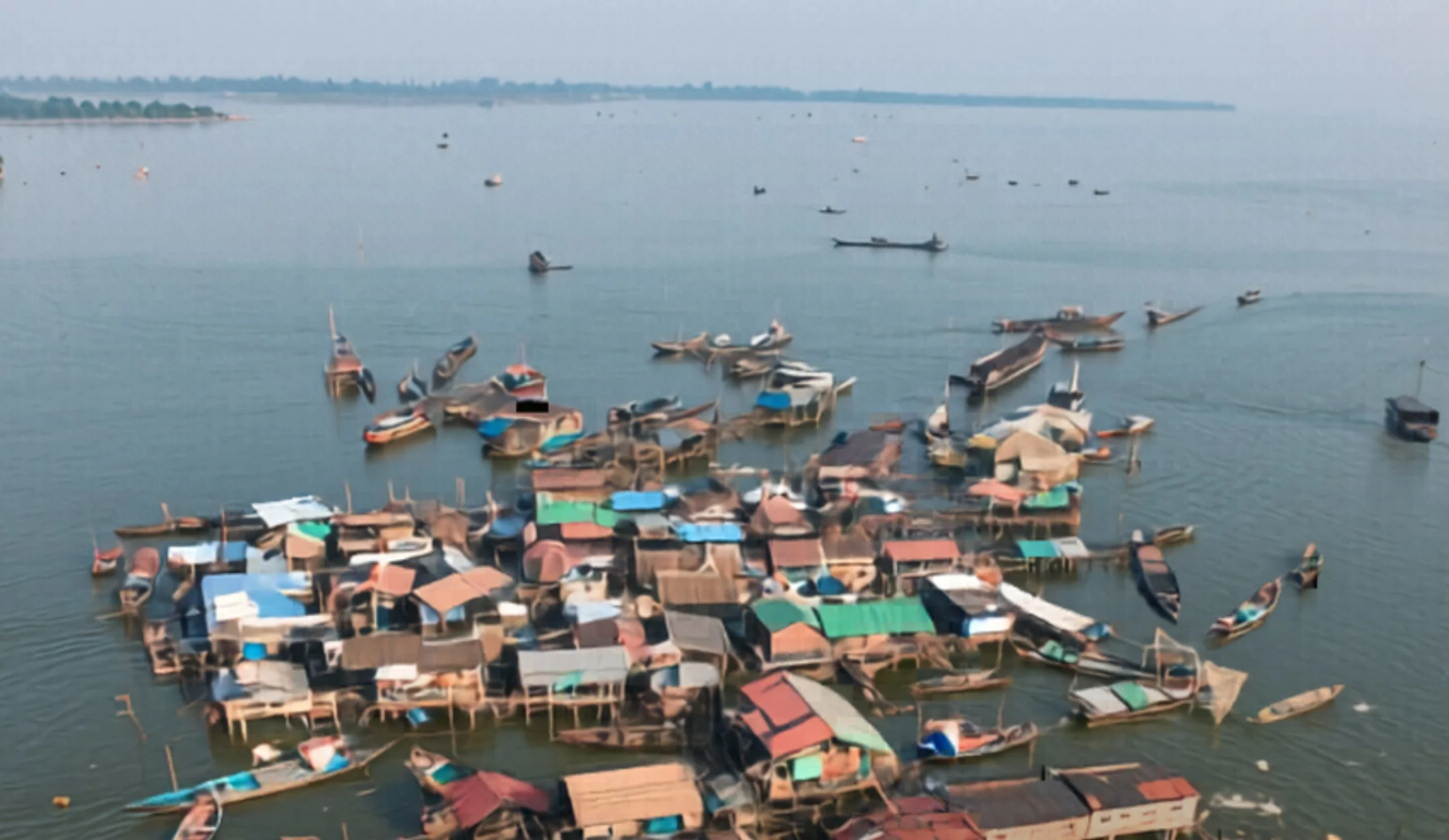
People thank the water for what it gave, and ask it to be kind next year.
The story everyone tells: Jayavarman VII and the Cham
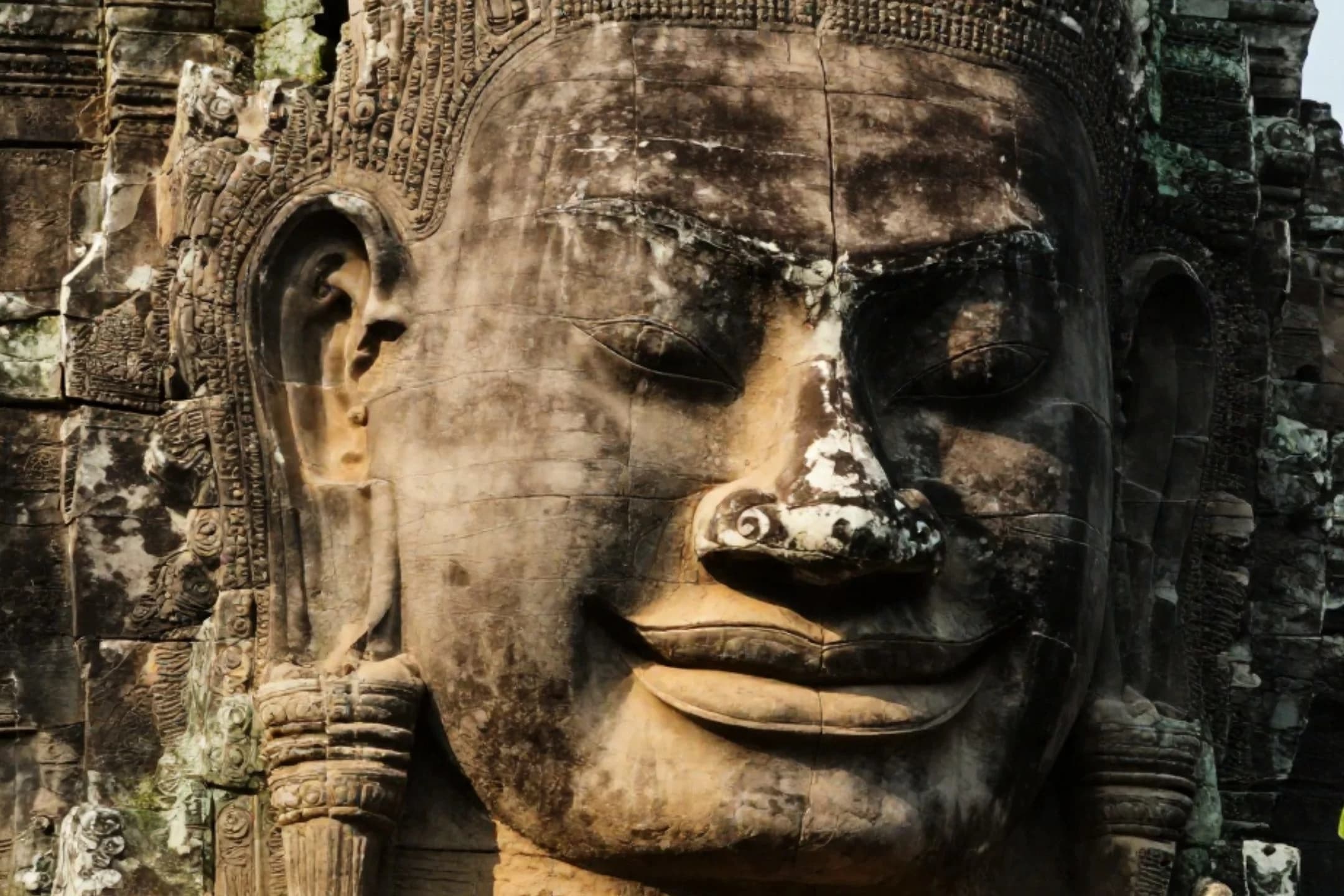
The best-known origin story is a war story. In 1177 a Cham fleet from Champa, in what is now central Vietnam, sailed up the Mekong and the Tonlé Sap and sacked the Khmer capital. A few years later the Khmer prince who would become King Jayavarman VII rebuilt a navy, met the Cham on the water and won. Accounts disagree on the exact year, with dates between 1177 and 1182 appearing in different tellings, but the broad outline is well documented. Jayavarman VII went on to build the Bayon, Ta Prohm and a great deal of Angkor as we see it today.
The evidence is carved in stone. The outer gallery of the Bayon shows a naval battle in extraordinary detail: Khmer and Cham warriors packed into long boats, fish and crocodiles in the water below, and, nearby, ordinary scenes of a market and a family meal. The popular version says the king's rowers were honoured with a yearly boat race, and that race became Bon Om Touk.
What historians actually say
Here is the honest part. The Bayon reliefs are real, and so is the battle. What is much harder to find is any record linking that battle to a yearly festival. Researchers who have looked at accounts of the celebration as it was held in the 1960s note that the naval-victory explanation was not mentioned at the time, and suggest it became a popular interpretation later, as modern Cambodia looked to Angkor for its national symbols. There is also a second, older strand that is about farming rather than fighting: a thanksgiving to the water at the end of the rains, with boat races as part of the royal ceremony.
Our reading is that the festival is almost certainly older and broader than any one battle.
The king's navy gave it a hero, and the river gave it a reason.
The ceremonies behind the races
Bon Om Touk was always more than racing. Three traditions run through the three days.
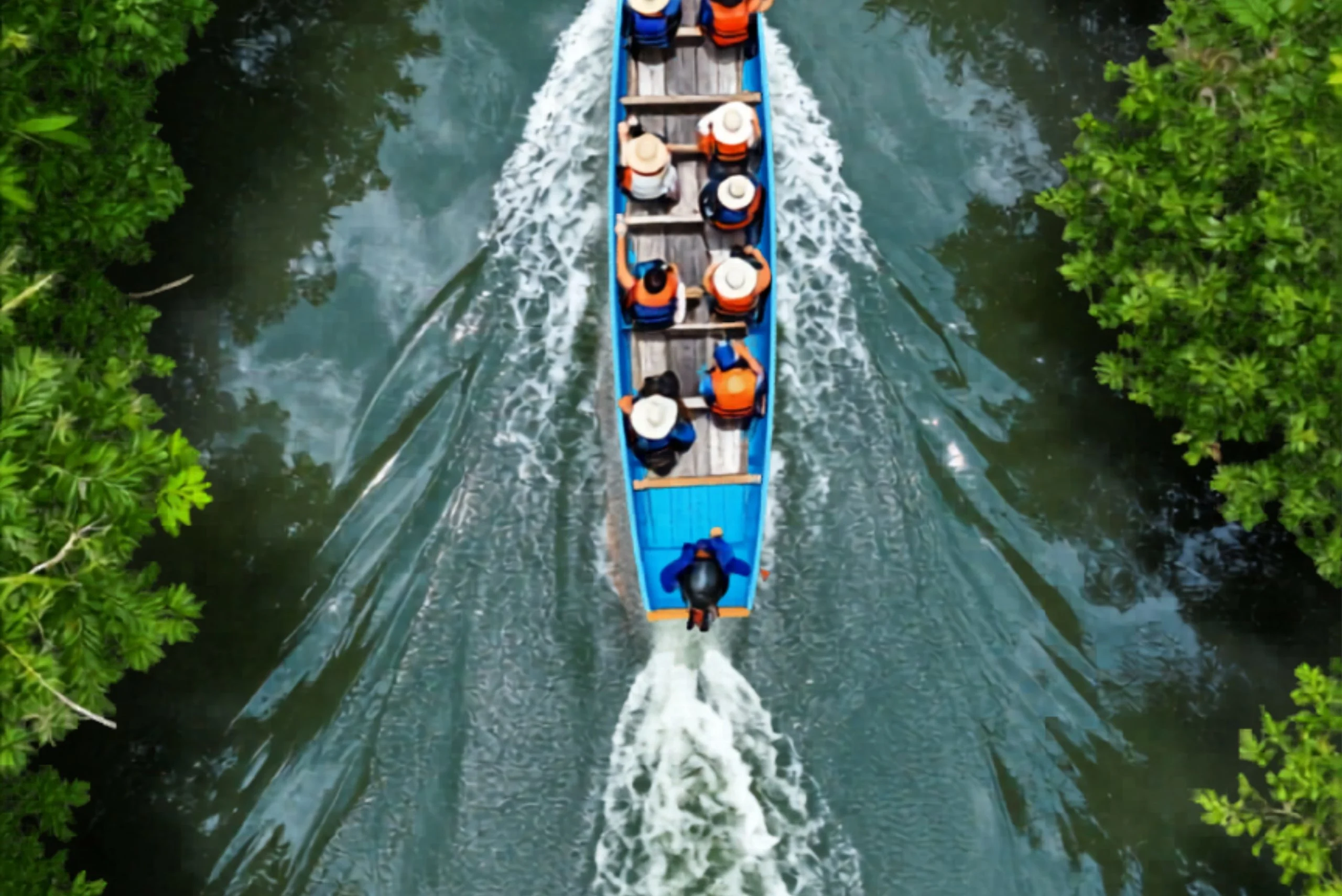
Bondet Pratip (បណ្ដែតប្រទីប). Lantern-lit floats are set on the water at night. Tradition links the practice to thanks given to the river goddess Preah Mae Kongkea (Ganga), and to a ceremony held by the 16th-century king Ang Chan I after a naval victory.
Ok Ambok (អកអំបុក). At midnight on the second night families eat ambok, young rice roasted and pounded flat, with banana and coconut. The custom is tied to the harvest and to the moon.
Sampeah Preah Khae (សំពះព្រះខែ). On the last night people kneel to salute the full moon, a tradition linked to the Jataka tale of the hare who offered itself to the gods and was placed on the moon. Cambodians still say the hare lives there.
From royal ceremony to national holiday
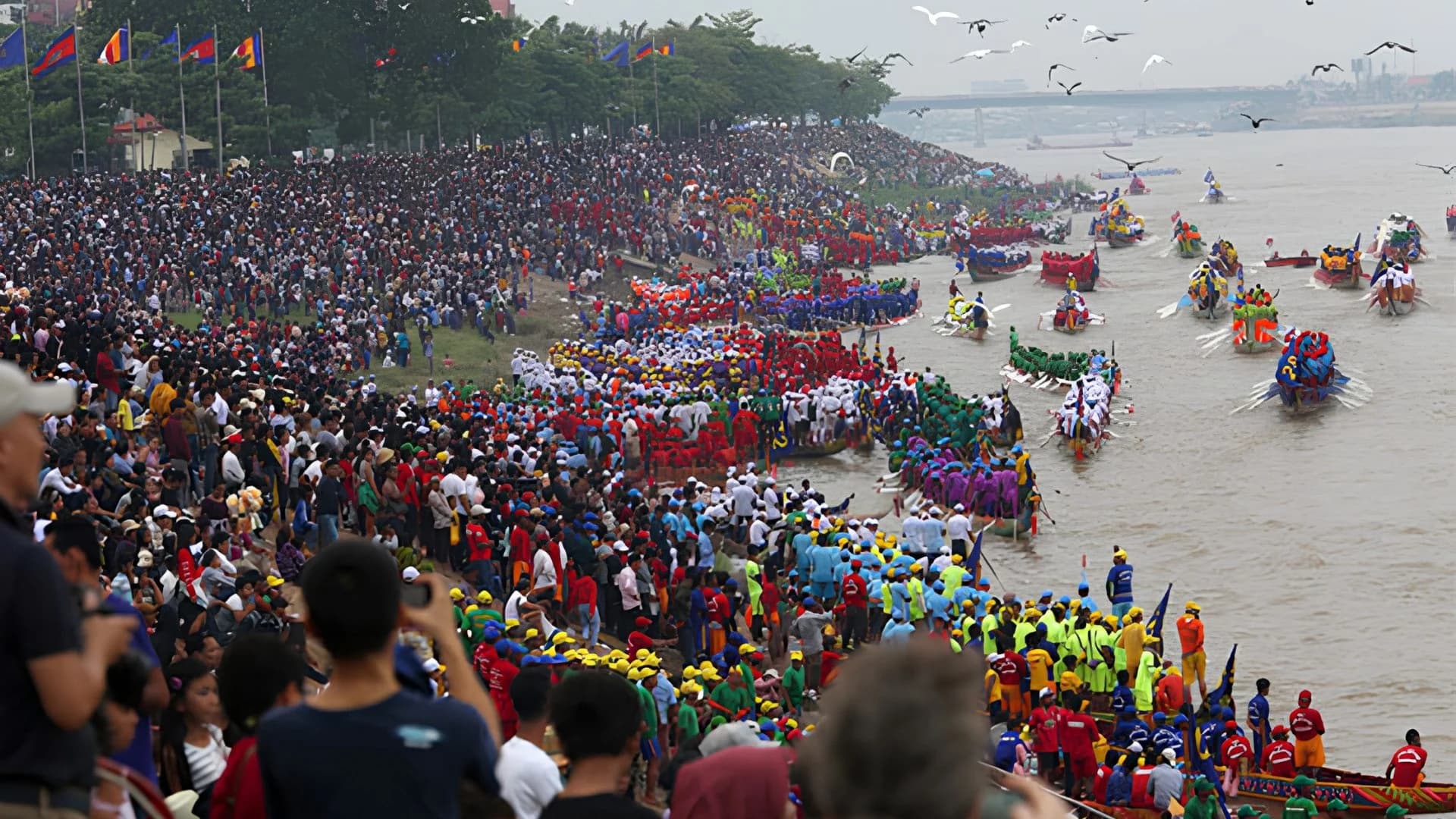
The festival was recorded in Phnom Penh in the reign of King Norodom in the 1870s, and French writers described it in the decades after. In the 1960s it was a showpiece of the capital, with crews arriving from across the country. It stopped through the civil war and the Khmer Rouge years and returned in the 1990s, growing back into the biggest gathering in Cambodia, with crowds in the capital that ran well into the hundreds of thousands, and in some years more.
That growth came at a cost. On 22 November 2010 a crowd crush on the bridge to Koh Pich (Diamond Island) killed 351 people and injured hundreds more, one of the worst tragedies in modern Cambodian history. The festival was scaled back in the years that followed, and it has been held and called off in the capital several times since.
Bon Om Touk in 2026
In early July 2026 the government announced that the main riverfront celebrations in Phnom Penh, the boat races, illuminated floats and fireworks in front of the Royal Palace, would not go ahead this year. The public holiday has not changed. Offices and banks are still closed from 23 to 25 November, and provinces along the Tonlé Sap and the Mekong can hold their own races where local authorities are able to organise them. Check local announcements before you plan a trip around a particular race.
What the holiday will still do is move the country. Phnom Penh empties as families go home to the provinces, and the places that fill up are the ones where Cambodians spend their long weekends: Siem Reap, Kampot and Kep, Sihanoukville. If you are planning a trip over those dates, book early.
When is Bon Om Touk in 2026?
The public holiday runs from 23 to 25 November 2026, on the full moon of the 10th month of the Khmer lunar calendar.
Why does the Tonlé Sap River change direction?
In the dry season it flows south from the lake to the Mekong. In the rainy season the Mekong is higher than the Tonlé Sap, so the flow reverses and fills the lake. When the rains end it turns back, and Bon Om Touk celebrates that.
Is the Phnom Penh Water Festival happening in 2026?
The government has cancelled the main riverfront programme in Phnom Penh for 2026. The three-day public holiday still applies, and some provinces may hold their own celebrations.
What is ambok?
Ambok (អំបុក) is young rice that is roasted and pounded flat, eaten with banana and grated coconut on the second night of the festival.
Where to stay
Domestic travel is heaviest over the Bon Om Touk long weekend, and the best-value rooms in Siem Reap, Kampot, Kep and Sihanoukville go first. KhmerRooms lists verified stays across Cambodia with instant KHQR payment and no foreign card needed. Browse what is available before the dates fill up.
More from the Journal
KhmerRooms Journal · Siem Reap
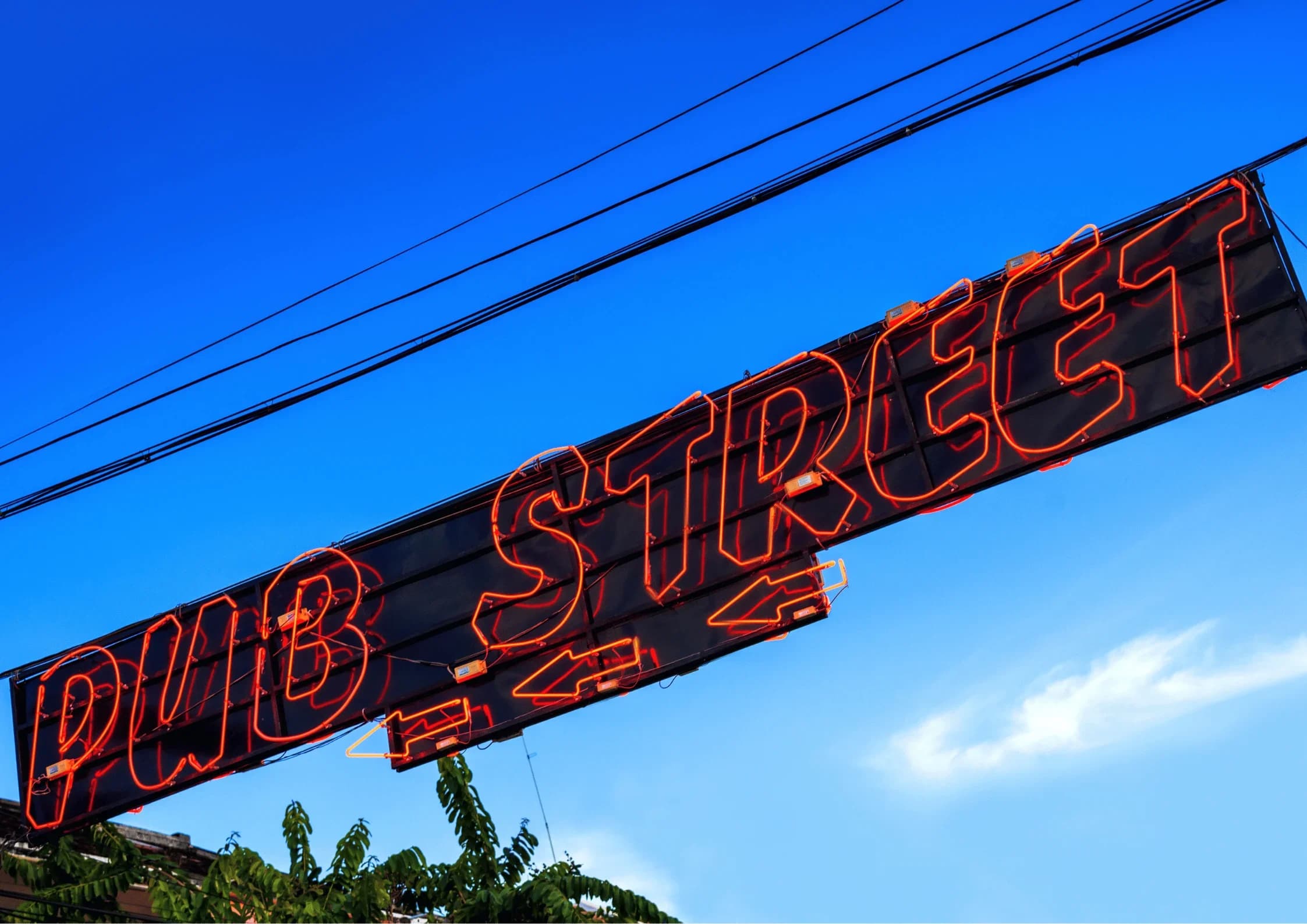
Pub Street
It is gloriously, unapologetically over the top. Bars stack their signs on top of each other in competing colours, draft beer goes for as little as fifty cents a glass, and clubs spill music into the street where everyone just mingles in the middle. There are fish foot-spas where tiny fish nibble your feet while you laugh nervously, ice-cream rolls clattering on cold plates, and hawkers selling everything from sunglasses to fried tarantulas. Is it touristy? Completely. Is it fun? Also completely. The trick is to lean into it rather than judge it.
June 23, 2026
Read more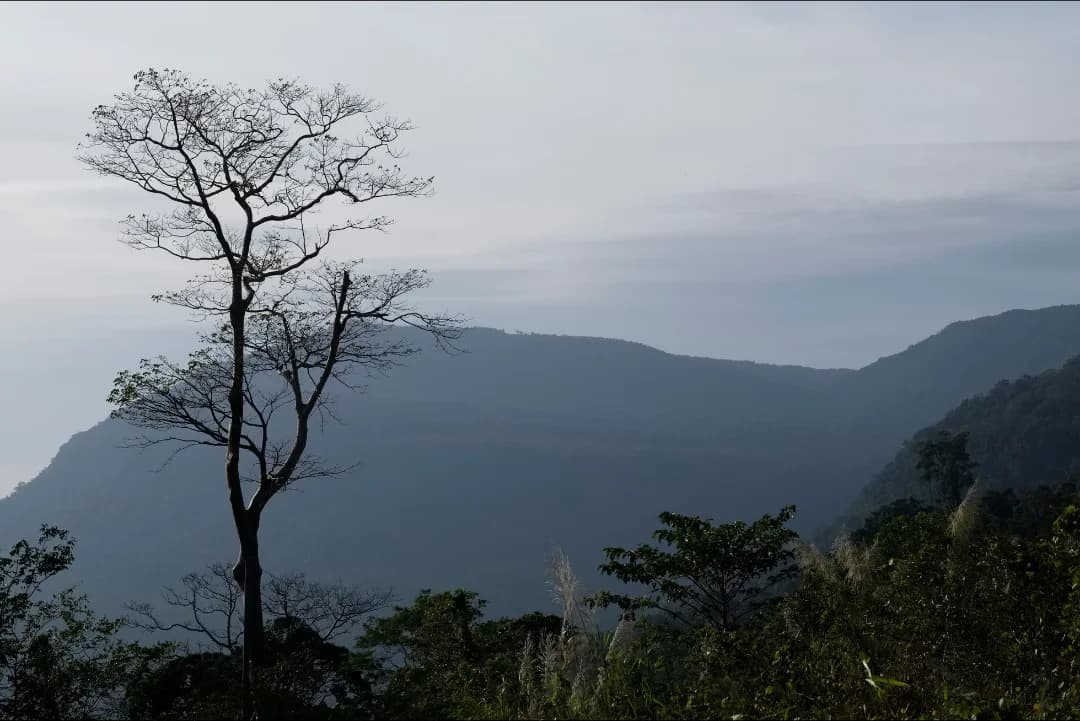
KhmerRooms Journal · Kampot
Bokor Hill
The moment you leave Kampot town and start climbing, everything changes. The road up Bokor winds through Preah Monivong National Park in a series of sweeping curves, and with every turn the view gets a little wilder. It's a smooth, well-paved road, so you can actually enjoy the ride instead of gripping the seat in front of you. Give yourself time to stop along the way. There are viewpoints that are perfect for photos, and honestly, half the joy of Bokor is the journey up, not just what's waiting at the top.
July 6, 2026
Read more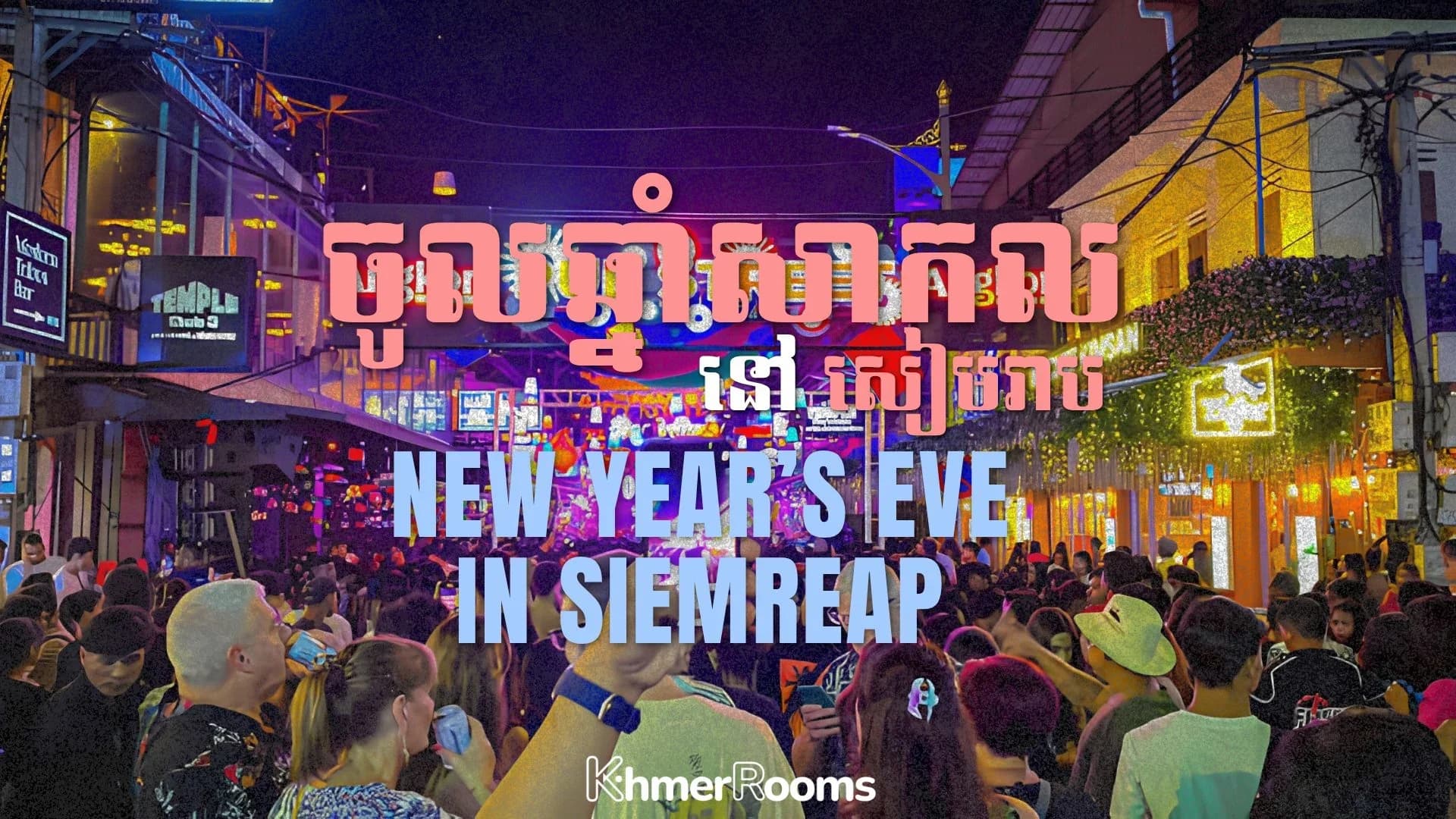
KhmerRooms Holiday
New Year's Eve in Siem Reap: Where to Watch the Countdown
Cambodia's new year falls in April, and it's the holiday that actually empties the country's cities as everyone heads home. December 31st is a different thing entirely: an international and expat tradition that Siem Reap, as Cambodia's most visited town, has leaned into fully. Expect string lights, hotel tree-lighting ceremonies, and a Pub Street that fills up like nowhere else in the country.
September 3, 2026
Read more