KhmerRooms Holiday
Khmer New Year (Chaul Chnam Thmey): History, Legend and How Cambodians Celebrate
ចូលឆ្នាំថ្មីប្រពៃណីខ្មែរ
A KhmerRooms guide
April 14–16
Expected dates; the government confirms them each year because the holiday follows the lunar calendar
Moha Sangkran, Virak Wanabat, Virak Loeng Sak
End of the old year, a day of giving, the start of the new era
End of the harvest
The pause between the dry-season harvest and the first rains
Cities empty, provinces fill
Many shops close for 3 to 5 days and buses sell out
Why does Khmer New Year fall in April, and whose head is carried around Mount Meru when the year turns? This is a local's guide to Chaul Chnam Thmey: its history, the legend, the three days and the 2027 dates. For three days in mid-April the country goes quiet. Phnom Penh's streets thin out, markets pull their shutters down, and millions of people head home to their villages. Chaul Chnam Thmey (ចូលឆ្នាំថ្មី, entering the new year) is the biggest holiday of the Cambodian year, and the one every Khmer family tries to spend together.
Why Khmer New Year falls in April
If you are used to January 1, mid-April looks odd, but it makes sense in the Cambodian year. April is the end of the dry-season harvest. The rice is in, the fields are bare and the heat is at its worst. Farmers have a few weeks of rest before the rains start and the work begins again. The new year sits in that gap, at a turning point in the farming calendar rather than at an arbitrary line on a clock.
The new year sits in that gap, at a turning point in the farming calendar rather than at an arbitrary line on a clock.
Cambodian tradition holds that in the Angkorian era the new year was marked at a different time, around the lunar month of Migasir, several months earlier, and that it later moved to April. The festival's roots go back further than Buddhism in Cambodia. The name Moha Sangkran comes from the Sanskrit Maha Sankranti, the sun's move into a new zodiac sign, and the same festival is celebrated as Songkran in Thailand and Thingyan in Myanmar. In Cambodia it was folded into Buddhist practice and kept its older stories.
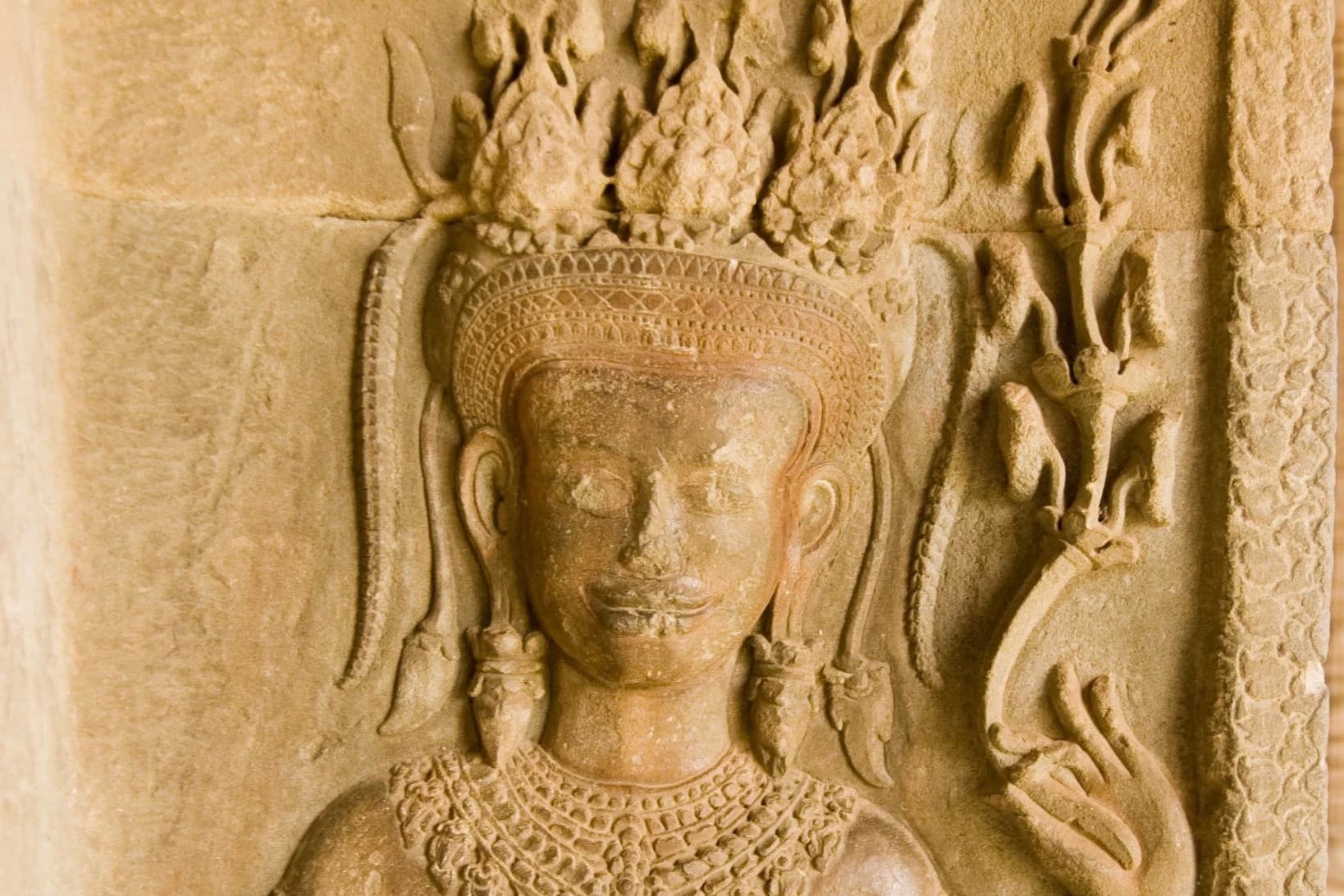
The legend of the god's head
The best-loved story behind the holiday is about a clever boy and a god who lost a bet. Thomabal Kumar, a child said to have extraordinary wisdom, was challenged by the god Kabil Maha Prum (Kapila Maha Brahma). The god put riddles to the boy and promised that if the boy answered them within seven days, the god would give up his own head. If not, the boy would lose his. On the seventh day Thomabal Kumar overheard two eagles talking and learned the answers. He won.
The god kept his word, but there was a problem. His head was so powerful that if it touched the ground the earth would burn, and if it was thrown into the air the sky would dry up. So his seven daughters take turns carrying it in a procession around Mount Meru each year. The day the new daughter takes up the head is the day the new year begins. Each year's angel (tevoda) is said to arrive on a different animal, and Cambodian almanacs still announce which one, along with predictions for the harvest ahead.
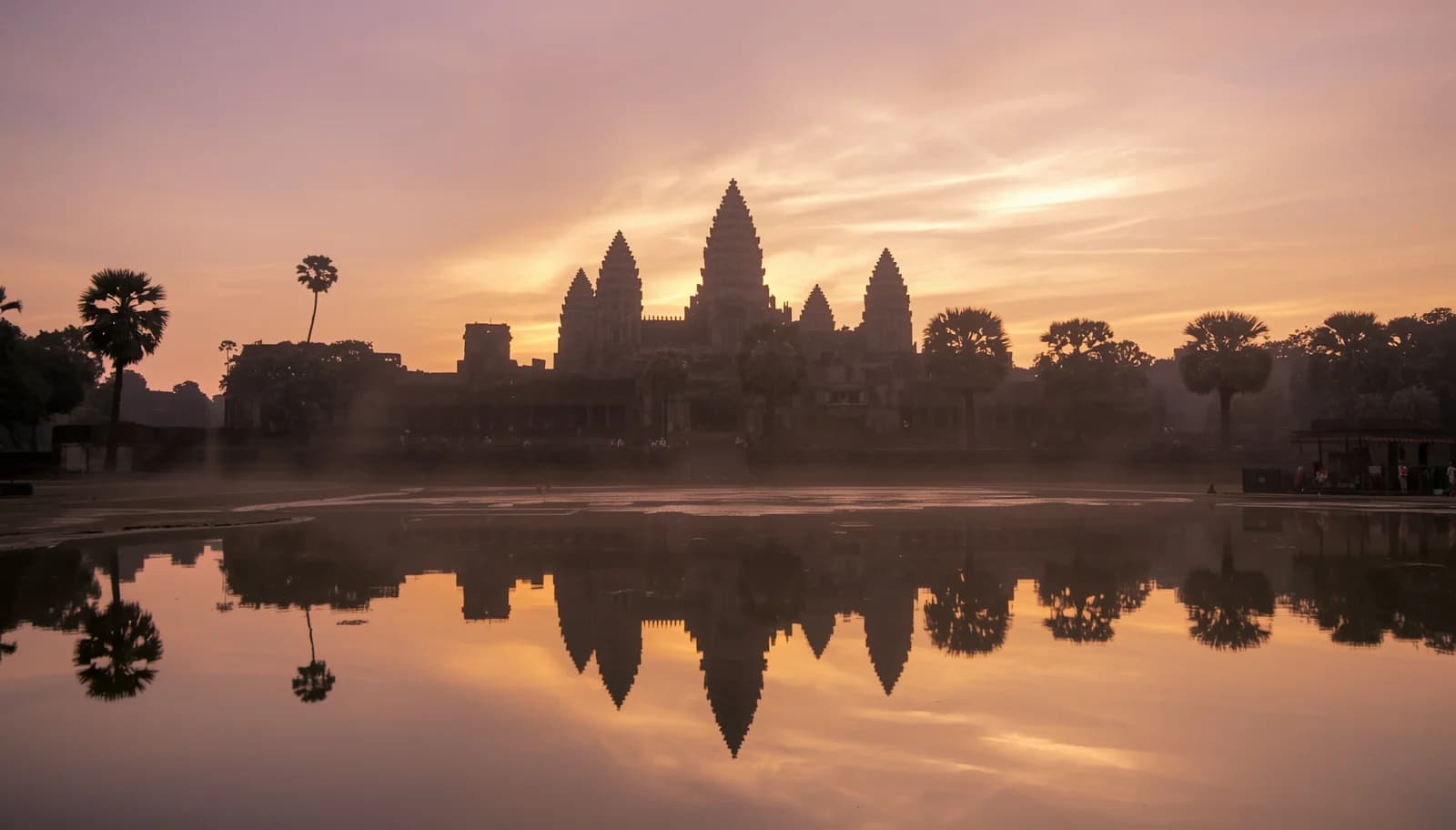
The day the new daughter takes up the head is the day the new year begins.
This is a legend, not recorded history, and it is retold in different ways across Cambodia. But you will hear it, and you will see the tevoda shrines set up in front of homes and pagodas.
The three days
Day 1: Moha Sangkran (មហាសង្ក្រាន្ត). The end of the old year. Families clean their homes, set up offering tables with incense, candles and flowers, and wash their faces with perfumed water to welcome the new angel.
Day 2: Virak Wanabat (វិរៈវ័នបត). A day of giving. Families bring food to monks, give to people in need and make offerings for their ancestors at the pagoda.
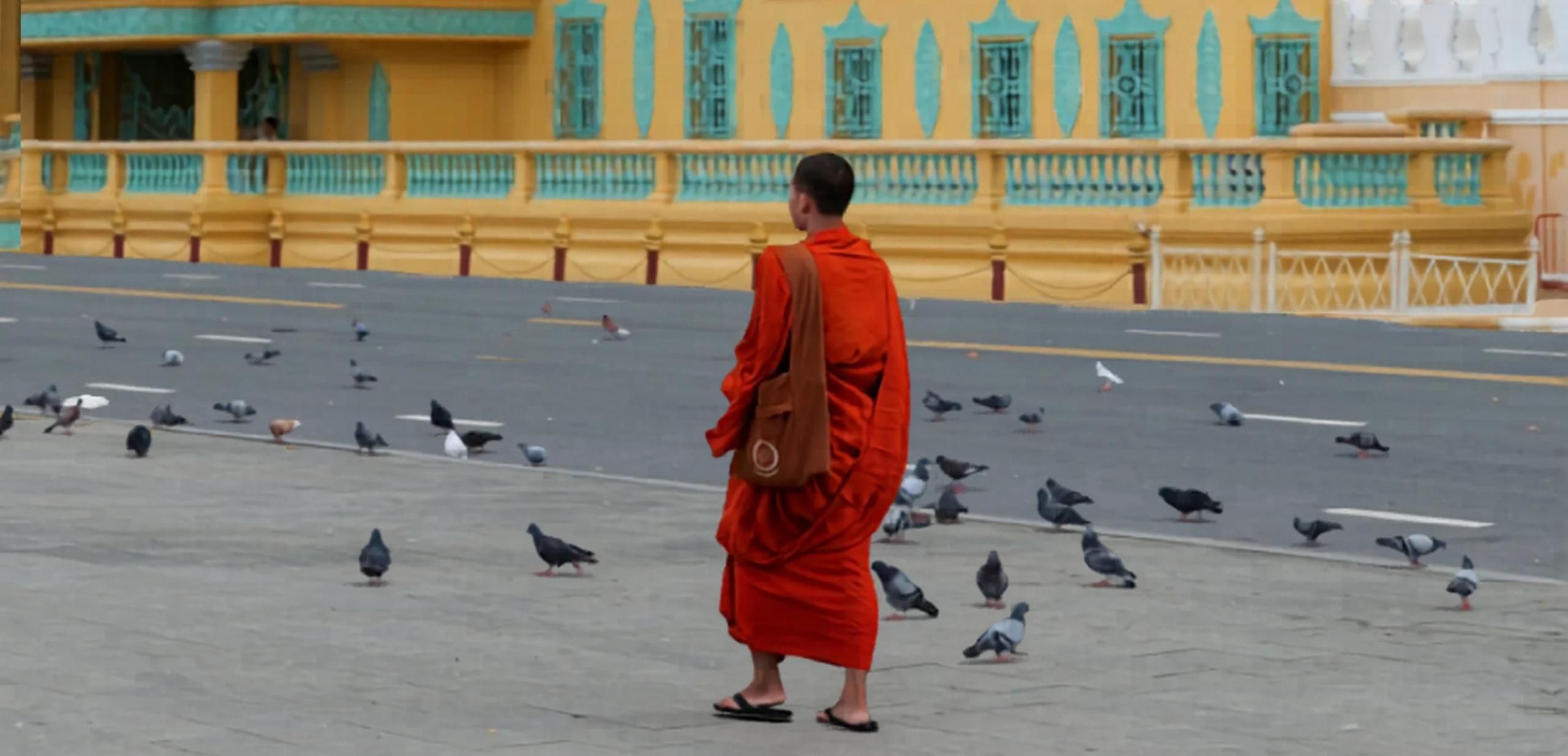
Day 3: Virak Loeng Sak (វិរៈឡើងស័ក). The new era begins. Young people wash their parents' and grandparents' feet and ask forgiveness for the mistakes of the past year. Elders bless them in return. Statues of the Buddha are bathed in scented water.
What you will see
Sand mounds. At temples, people build small hills of sand decorated with flags and flowers. They stand for the Tavatimsa stupa where the Buddha's hair is said to be kept, and every handful of sand is a small act of merit.
Traditional games. In open fields you will find bos angkunh (throwing large seeds at targets), chol chhoung (tossing a twisted scarf between two teams, where a miss means a dance or a song as a forfeit) and bay khom, a board game played with seeds.
Water. In the cities the blessing with water has turned into a friendly water fight, especially in Siem Reap. Powder and water get thrown, so wear something you do not mind getting wet.
Food. Families cook kralan, sticky rice with beans and coconut grilled inside a bamboo tube, and take num ansom and fruit to the temple.
Where to be for Khmer New Year
Siem Reap is the place to be if you want to see Angkor and the festivities together. Many families make a trip to the temples at the new year, and Angkor Wat is crowded by mid-morning, so go at first light.
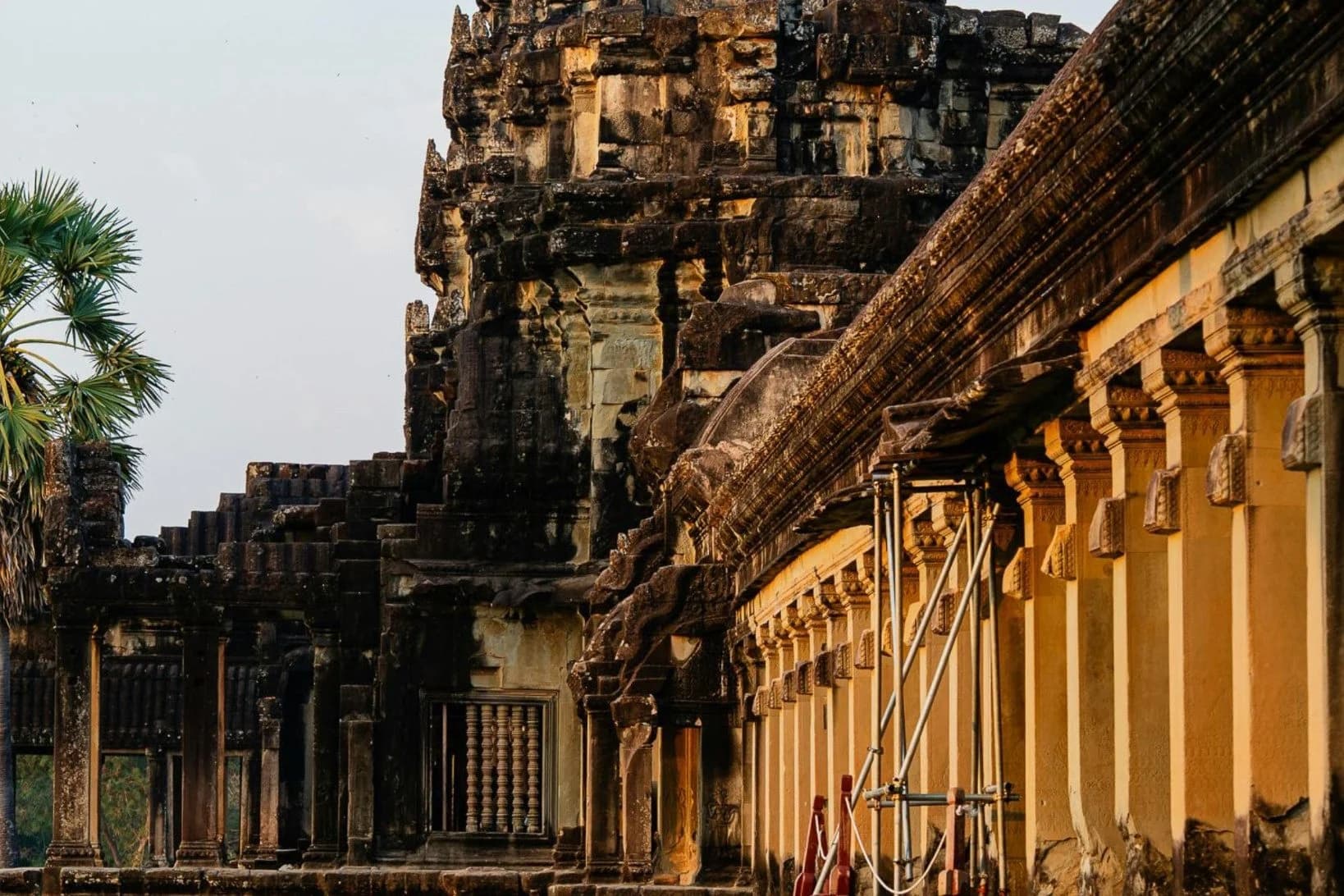
The provinces are where the holiday feels most traditional. The seaside towns of Kampot, Kep and Sihanoukville fill with families.
Phnom Penh is calm. Shops close, and the riverside promenade is a good place to watch families rather than crowds.
A practical note: this is the busiest travel week of the year. Buses sell out, prices rise and many shops close for 3 to 5 days. Book your stay and your transport early, and carry cash in small notes.
When is Khmer New Year 2027?
It is expected to run from 14 to 16 April 2027. Because the date follows the lunar calendar, the government confirms it each year.
How long is Khmer New Year?
Three public holidays, though many businesses close for longer and people travel on the days before and after.
What are the three days called?
Moha Sangkran, Virak Wanabat and Virak Loeng Sak.
Is Khmer New Year the same as Songkran?
They share a common origin and a similar date, but the celebrations differ. In Cambodia the emphasis is on family, the pagoda and respect for elders, and water play is a more recent addition in the cities.
Where to stay
Cambodian families book their New Year trips weeks ahead, and Siem Reap, Kampot and the coast fill up first. KhmerRooms lists verified stays with instant KHQR payment and no foreign card needed. Browse stays and lock in a rate early.
More from the Journal
KhmerRooms Holiday
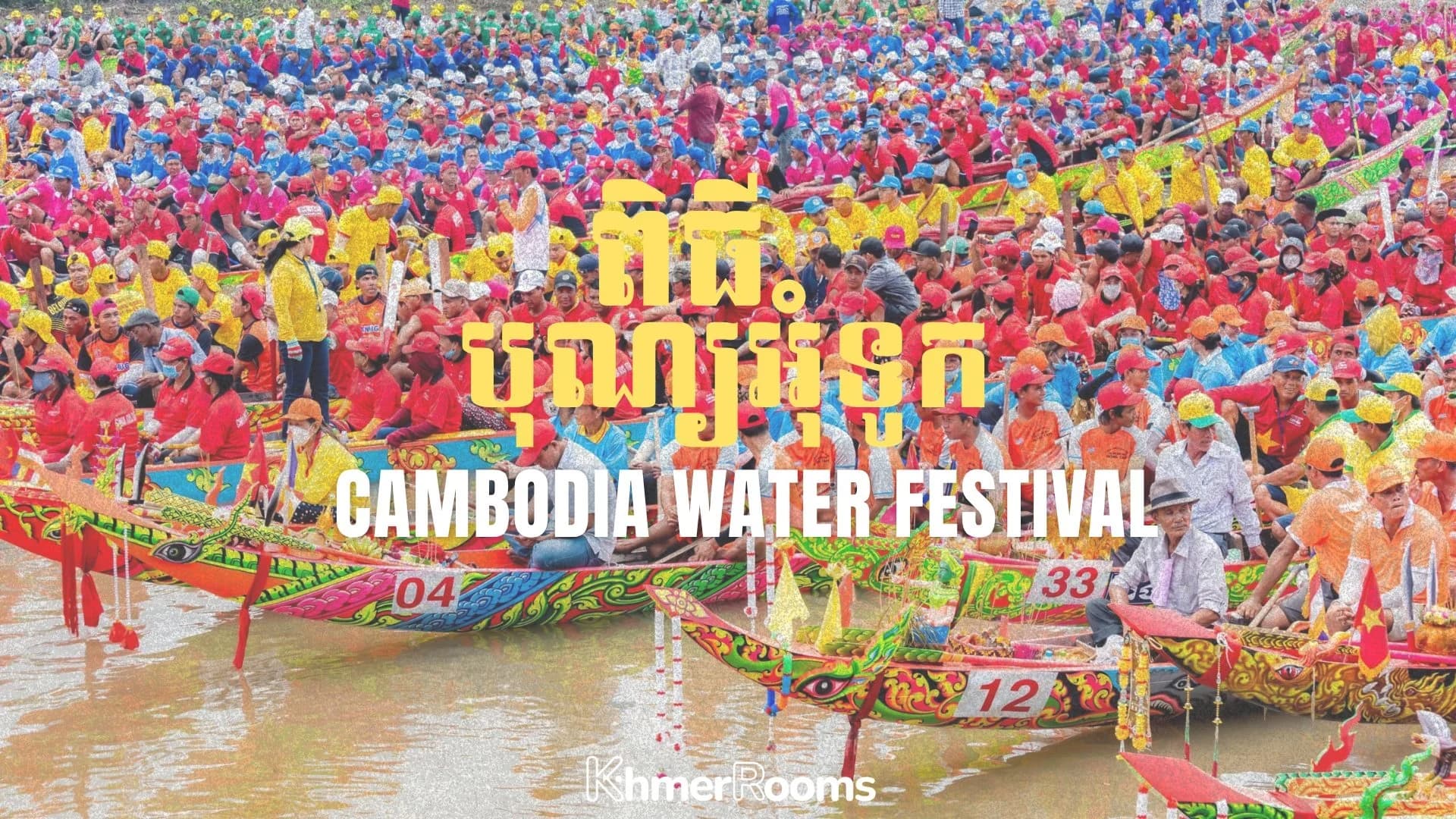
Cambodia Water Festival 2026: A Local's Guide to Bon Om Touk
Every November, the Tonlé Sap River reverses direction - a natural phenomenon that's shaped Cambodian life for centuries. Bon Om Touk celebrates that reversal, and it doubles as a commemoration of a 12th-century naval victory under King Jayavarman VII. In 2026 the government has cancelled the main riverfront celebrations in Phnom Penh, but the three-day public holiday, 23 to 25 November, still goes ahead. In a normal year, long, hand-carved boats race along Sisowath Quay, drums keep the rowers' rhythm, and the nights close with fireworks and moon-prayer offerings of ambok (flattened rice).
September 2, 2026
Read more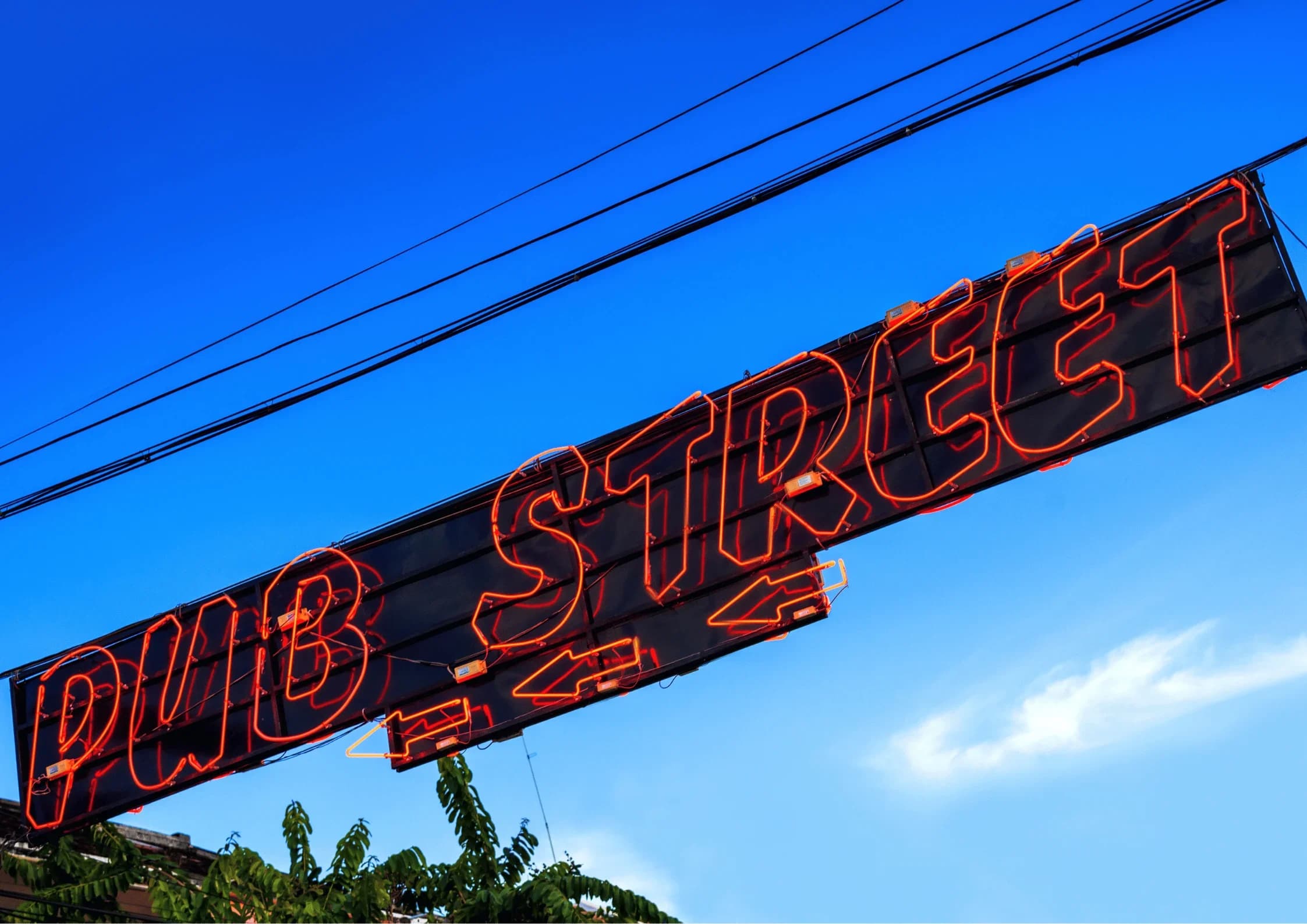
KhmerRooms Journal · Siem Reap
Pub Street
It is gloriously, unapologetically over the top. Bars stack their signs on top of each other in competing colours, draft beer goes for as little as fifty cents a glass, and clubs spill music into the street where everyone just mingles in the middle. There are fish foot-spas where tiny fish nibble your feet while you laugh nervously, ice-cream rolls clattering on cold plates, and hawkers selling everything from sunglasses to fried tarantulas. Is it touristy? Completely. Is it fun? Also completely. The trick is to lean into it rather than judge it.
June 23, 2026
Read more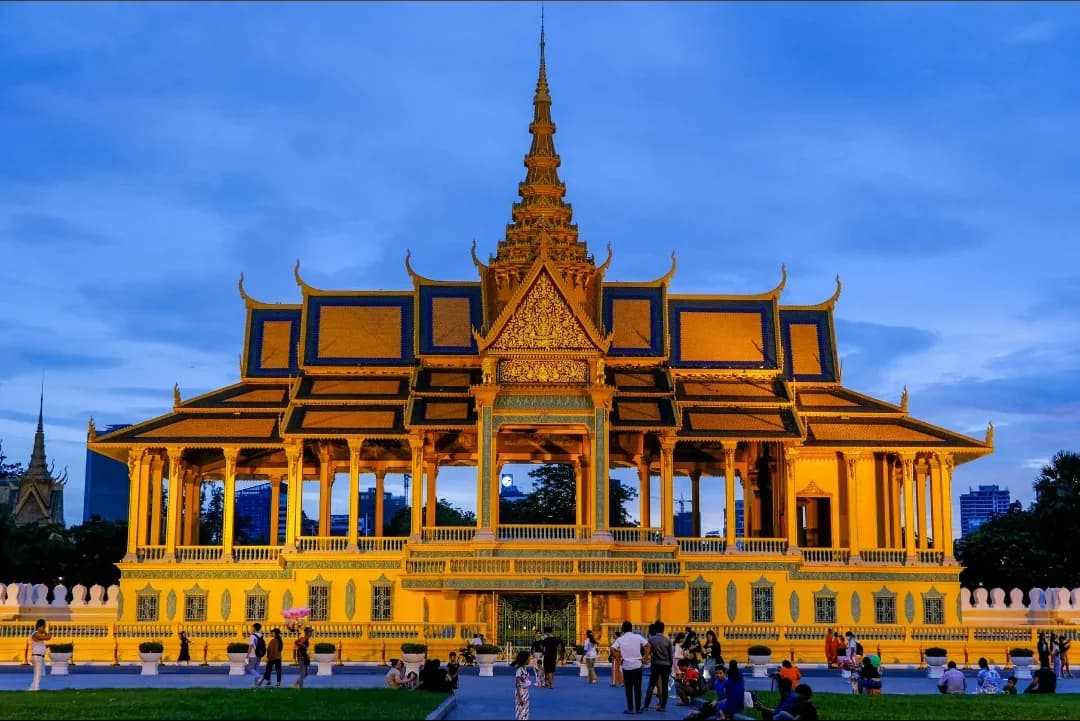
The Heritage
The Royal Palace
Unlike a lot of royal sites around the world that have been turned entirely into museums, the Royal Palace is still an active residence. The King of Cambodia lives and works here, which gives the whole complex a different kind of energy than your typical historical attraction. You're not just looking at the past, you're standing beside something that's still very much part of the present. Certain areas are reserved for royal use and closed to visitors, which only adds to the intrigue as you wander the grounds that are open. There's a quiet formality to the place, guards posted at intervals, manicured gardens lining the walkways, buildings kept in pristine condition.
July 6, 2026
Read more