KhmerRooms Journal · Phnom Penh
Central Markets
ផ្សារធំថ្មី
A KhmerRooms guide
Phnom Penh
The heart of the city
Early morning
The first couple of hours belong to wholesale buyers and fresh stock, the most alive the market gets.
Free
It’s a open marketplace, walk the whole length.
3:00 PM – 6:00 PM, daily
Can close on Cambodian public holidays.
First-price tourist quotes
Make sure to always negotiate with the sellers
Everybody tells you to start with the Royal Palace, the riverside, the silver-floored pagoda. They are not wrong, exactly. But if you want to see Phnom Penh: the real, sweating, bargaining, breakfast-soup-slurping city, you skip the postcard for a morning and you go to a phsar. A market. This is where the capital actually lives. It is where your grandmother bought the family’s fish, where the tailor knows your aunt by name, where a whole neighbourhood’s day begins long before the cafés on the boulevard have switched on their lights.
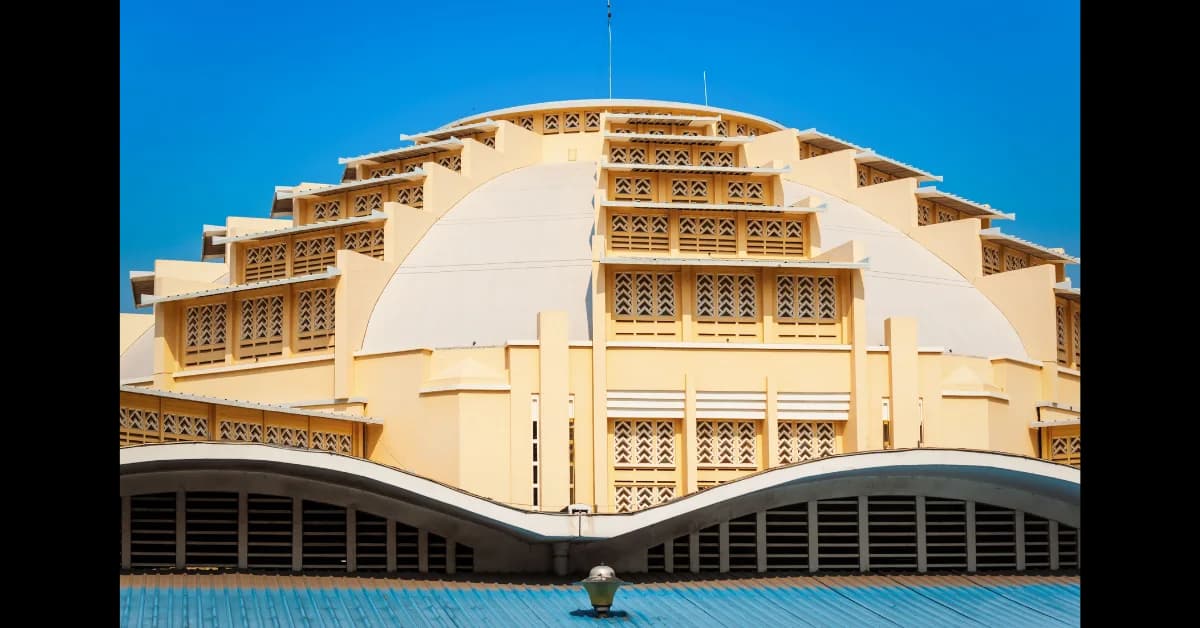
A Cambodian market is not just shopping. It is the engine room of a community: produce trucked in from the provinces before dawn, gold weighed on tiny scales, knock-off football shirts hung next to hand-loomed silk, and somewhere in the middle of it all a woman ladling out the best noodle soup you will eat all trip. The aisles are narrow, the air is thick, the prices are a conversation rather than a number. Once you understand that rhythm, the market stops being chaotic and starts reading like the most honest tour of Cambodian daily life you can take. Here are three of Phnom Penh’s great markets: one a colonial-era landmark, one the city’s favourite treasure-hunt, and one almost nobody puts in a guidebook. Together they are the best window in the city into how Cambodians actually shop, eat and spend a morning. Take them slowly, come hungry, and bring small notes. You will spot it before anyone has to point it out: a vast butter-yellow dome with four great wings spreading off it like the arms of a star, dropped into the middle of the city as if from another planet. The locals call it Phsar Thmey the “new market” though it has been here since 1937, built by the French in glorious Art Deco when the spot was still a drained swamp. For years it was said to sit under one of the largest domes in Asia. Step inside and you understand the genius of it: the high ceilings and long horizontal openings keep the whole hall cool and breathing even when the street outside is shimmering with heat. It has earned its nickname as a living art museum.
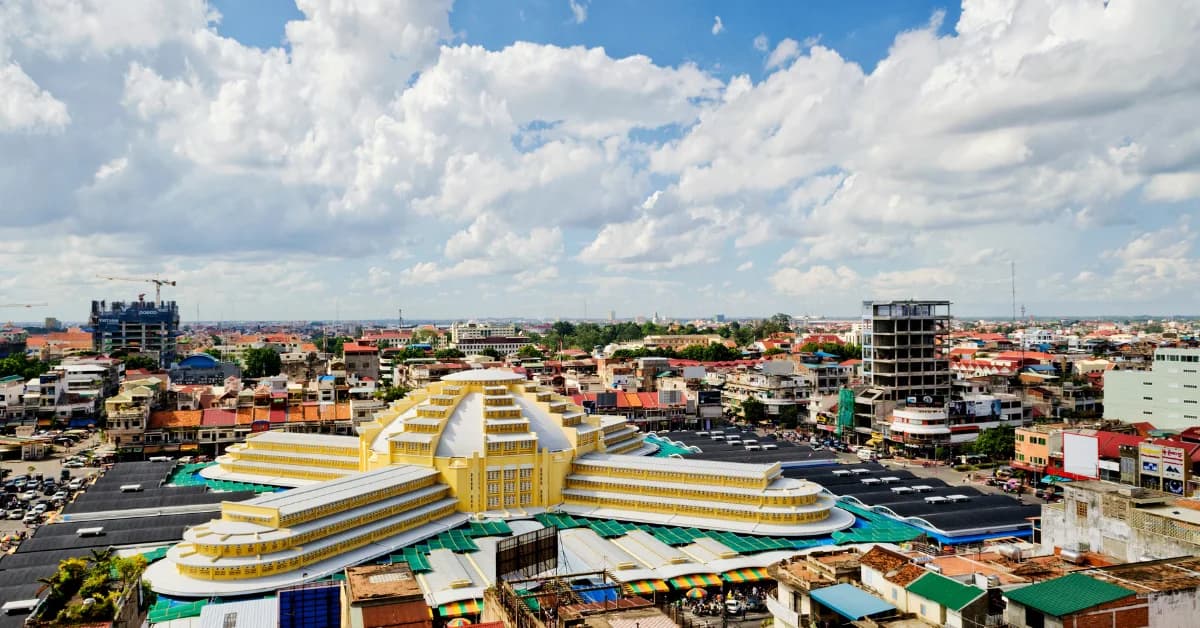
What you’ll find under the dome
Walk in toward the centre and the four wings sort themselves by trade. The interior is the place for gold and silver delicate Khmer jewellery weighed out in front of you, intricate silverware, antique coins, and a famous wall of watches that range from the genuine to the gloriously, knowingly fake. Around it spreads everything else a city could want: electronics, krama (the checked Cambodian scarf you’ll see everyone wearing), lengths of Khmer silk, flowers, household odds and ends, and clothing both imported and traditional. Drift to the edges and you hit the fresh-produce section, all colour and noise and the best people-watching in the building. When your legs give out, head to the food court on the western side. This is where you sit elbow-to-elbow with shoppers and stallholders over a bowl of amok fish steamed in coconut and lemongrass or whatever the cook is famous for that day. Eating here, in the middle of the working market rather than at a restaurant, is half the point. Order, point, smile, and you’ve just had a proper Cambodian lunch.
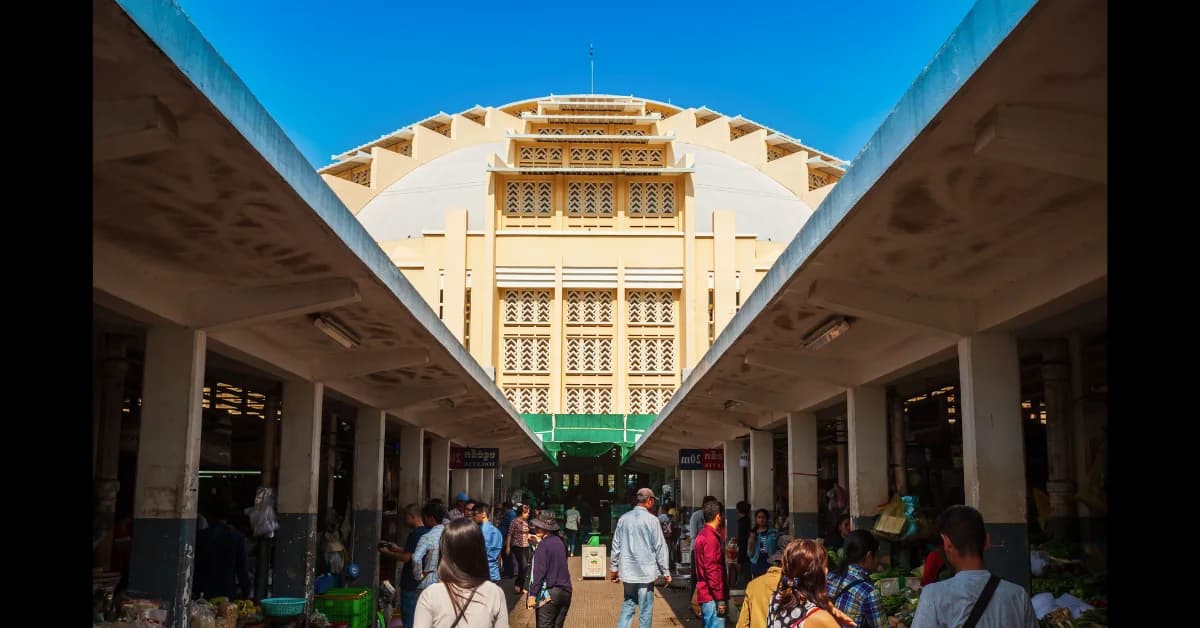
Why it’s worth your morning
Central Market is the rare attraction that is both the icon and the real thing. You come for the architecture and the photographs, and you stay because it is still a genuine working market where the whole city converges. It’s the gentlest possible introduction to Phnom Penh’s market culture cool, central, easy to navigate and the perfect first stop before you brave the wilder ones. Just remember the golden rule: the first price is the opening line, not the answer. Smile, offer less, and enjoy the back-and-forth.
More from the Journal
Cafe Crawl
KhmerRooms Café Crawl - 5 spots a week
August 4, 2026
Read more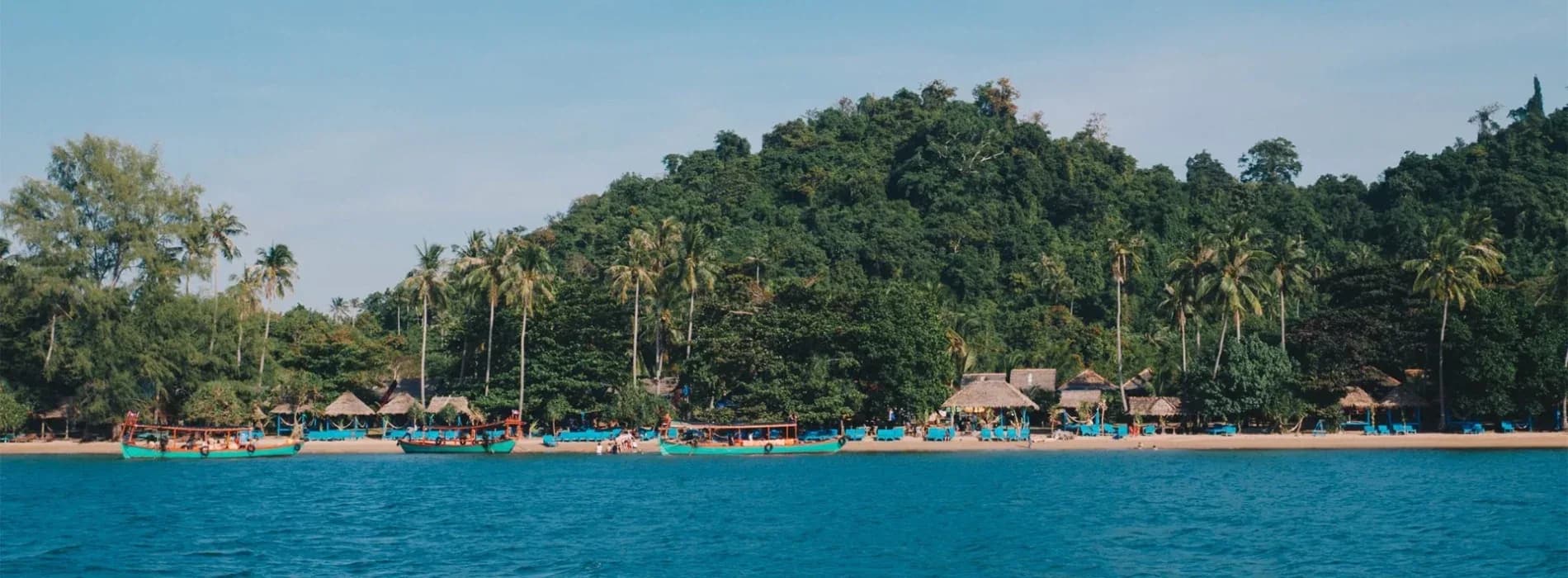
KhmerRooms Journal · Kep
Rabbit Island
Getting to Koh Tonsay is part of the charm. A short boat ride from Kep pier, maybe twenty-five minutes if the water's calm, carries you away from the mainland and into a completely different rhythm of life. There are no cars here, no paved roads, no glowing signs pulling your attention. The island is small enough to walk across in an hour, but that's not really the point. Koh Tonsay isn't about covering ground, it's about disconnecting completely. Phone signal gets patchy, which honestly feels like a gift rather than an inconvenience. You arrive, drop your bag, and immediately understand why so many travelers plan for one night and end up staying three.
July 6, 2026
Read more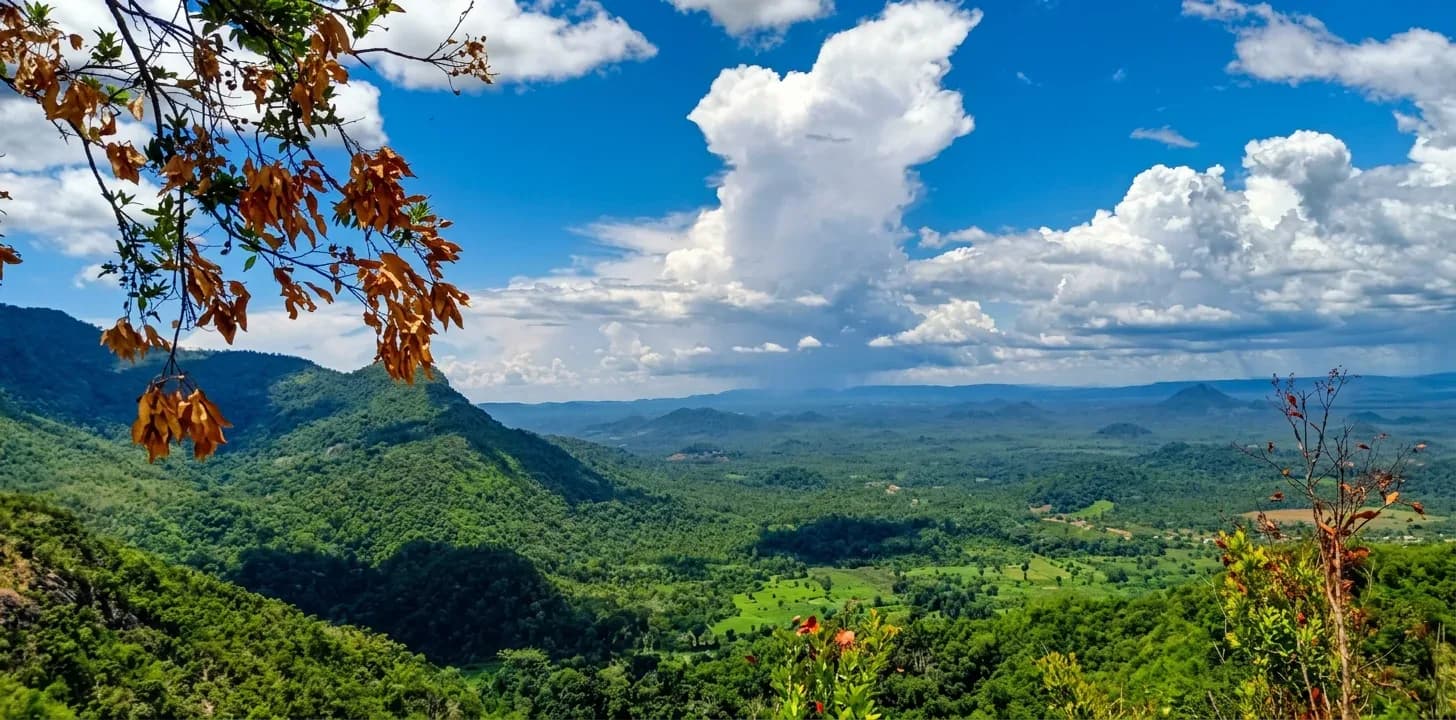
KhmerRooms Journal · Koh Kong
Phnom Toub Jeang
This is travel the way most Cambodians actually do it. You pack food rather than book a restaurant. You spread a mat in the shade rather than reserve a sun-lounger. You climb a bit for the view, you eat too much grilled meat, the kids run wild, and someone inevitably brings a speaker. There’s no checklist of “things to see” . The whole activity is being there, together, away from the heat and noise of the city. It’s cheap, it’s easy, and it’s the part of Cambodian life that almost never shows up in glossy tourism campaigns.
June 23, 2026
Read more