The Heritage
The Royal Palace
ព្រះបរមរាជវាំង
A KhmerRooms guide
Located in the heart of Phnom Penh
Right along the riverfront, near the Tonlé Sap and Mekong river confluence
Morning is best if you want a calm visit
Best season: November–February (dry season, less heat and humidity)
Open daily: 8:00 AM – 5:00 PM
Closed on special royal ceremonies or official events
Wearing revealing clothing (shoulders and knees must be covered)
Visiting midday (very hot and crowded)
Right along the riverside in Phnom Penh, behind high walls and gleaming golden rooftops, sits one of Cambodia's most iconic landmarks.
See the residence of Cambodia’s monarchy
Unlike a lot of royal sites around the world that have been turned entirely into museums, the Royal Palace is still an active residence. The King of Cambodia lives and works here, which gives the whole complex a different kind of energy than your typical historical attraction. You're not just looking at the past, you're standing beside something that's still very much part of the present. Certain areas are reserved for royal use and closed to visitors, which only adds to the intrigue as you wander the grounds that are open. There's a quiet formality to the place, guards posted at intervals, manicured gardens lining the walkways, buildings kept in pristine condition.
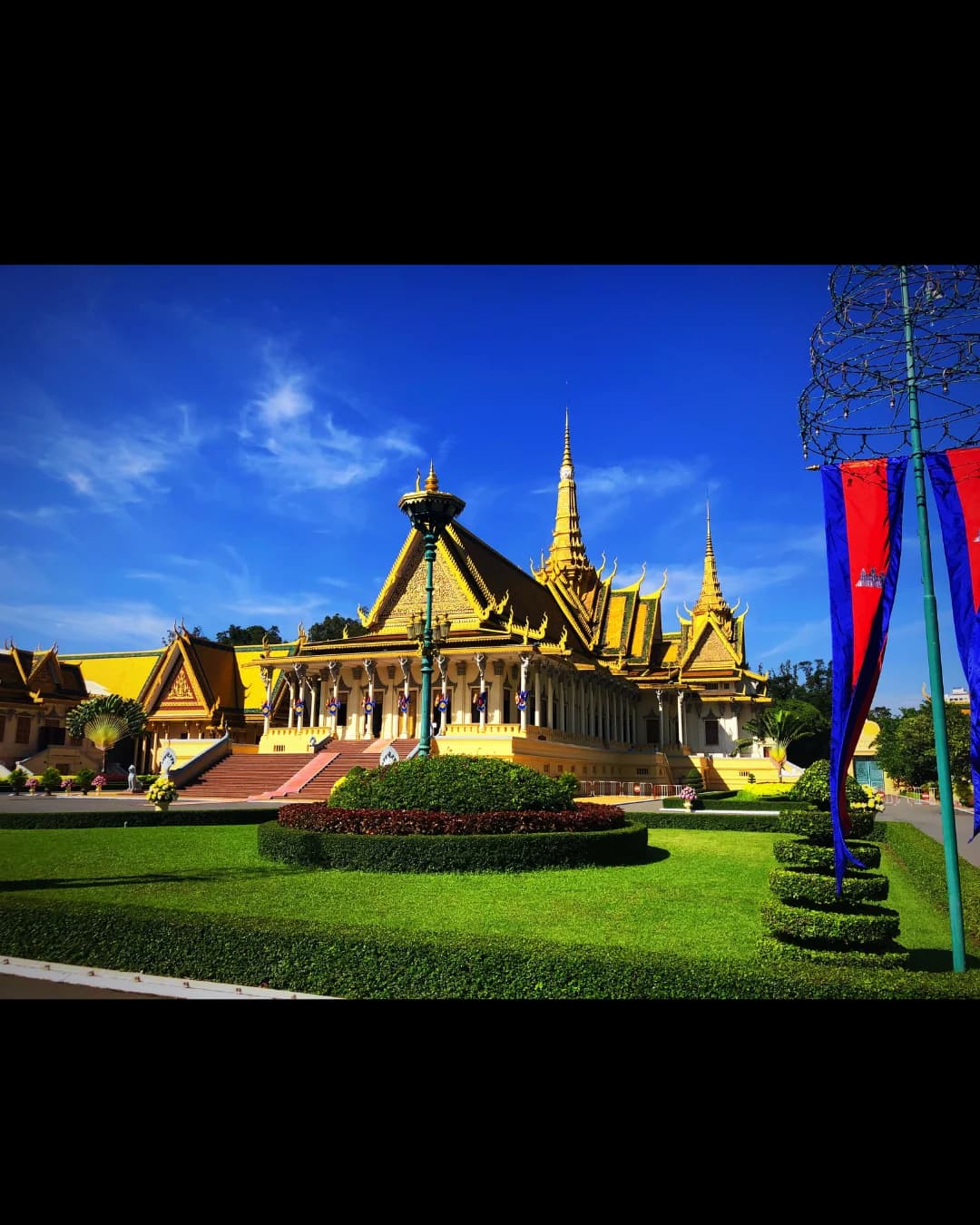
Stunning traditional Khmer architecture
Even if you know nothing about Cambodian history walking in, the architecture alone will stop you in your tracks. Steep, layered rooftops curve upward into sharp golden points, each one adorned with intricate carvings of nagas and other mythical figures pulled straight from Khmer folklore. The Throne Hall, the palace's centerpiece, rises dramatically with tiered roofs stacked in a way that feels both grand and impossibly delicate at the same time. Every surface seems to carry detail, gilded trim catching the sunlight, ornate spires reaching skyward, walls painted in warm creams and soft yellows that glow at golden hour. It's a style of architecture that blends spiritual symbolism with royal grandeur, and even after years of buildings and renovations, it still manages to feel cohesive, unmistakably Khmer, unlike anything you'll see elsewhere in the region.
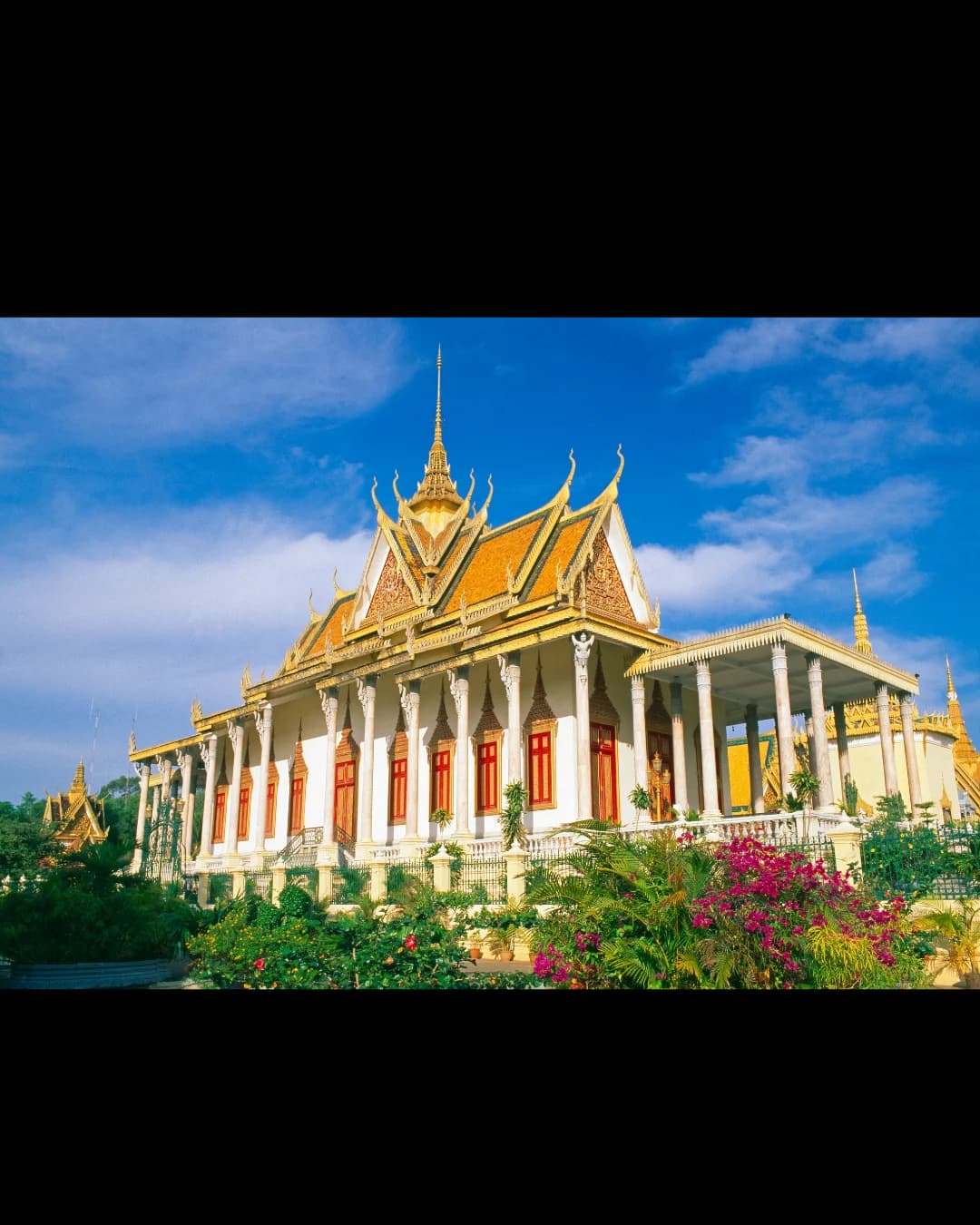
Learn about Cambodian history and culture
Beyond the architecture and the artifacts, a visit to the Royal Palace is really a crash course in what makes Cambodia, Cambodia. The monarchy here has played a defining role throughout the country's history, weaving through periods of great prosperity and profound hardship, and the palace stands as a symbol of resilience as much as royalty. Wandering the grounds, you start to piece together a fuller picture, how Buddhism, monarchy, and Khmer artistic tradition are so deeply intertwined that you can't really understand one without the others. Small details everywhere, a carved relief, a particular color choice, the layout of the gardens, all carry meaning rooted in centuries of tradition. It's the kind of place where a little curiosity goes a long way, and where the more you look, the more the layers of history start to reveal themselves. The Royal Palace isn't just a photo stop on the way to somewhere else, it's a place that rewards a slower, more curious visit. Between the living royal residence, the breathtaking architecture, the glittering Silver Pagoda, and the rich cultural history woven into every corner, it's easy to spend hours here and still feel like you've only scratched the surface. Come with an open mind, and Phnom Penh's golden heart will do the rest.
More from the Journal
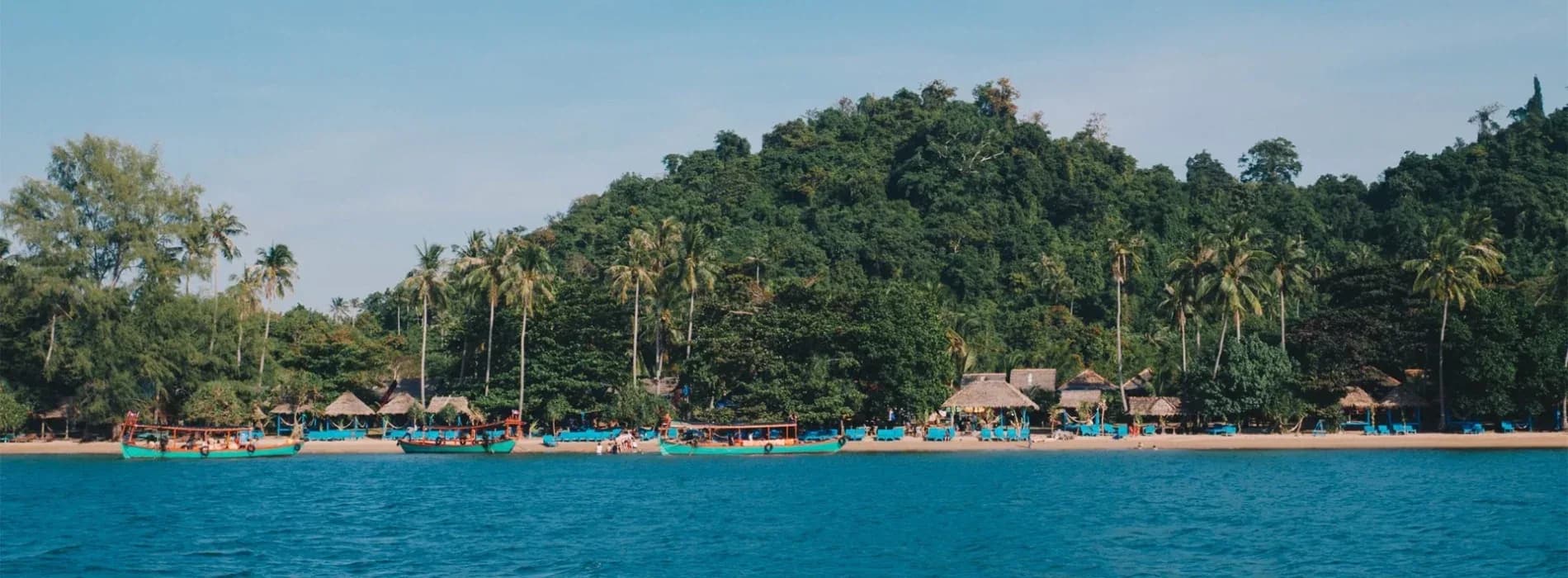
KhmerRooms Journal · Kep
Rabbit Island
Getting to Koh Tonsay is part of the charm. A short boat ride from Kep pier, maybe twenty-five minutes if the water's calm, carries you away from the mainland and into a completely different rhythm of life. There are no cars here, no paved roads, no glowing signs pulling your attention. The island is small enough to walk across in an hour, but that's not really the point. Koh Tonsay isn't about covering ground, it's about disconnecting completely. Phone signal gets patchy, which honestly feels like a gift rather than an inconvenience. You arrive, drop your bag, and immediately understand why so many travelers plan for one night and end up staying three.
July 6, 2026
Read more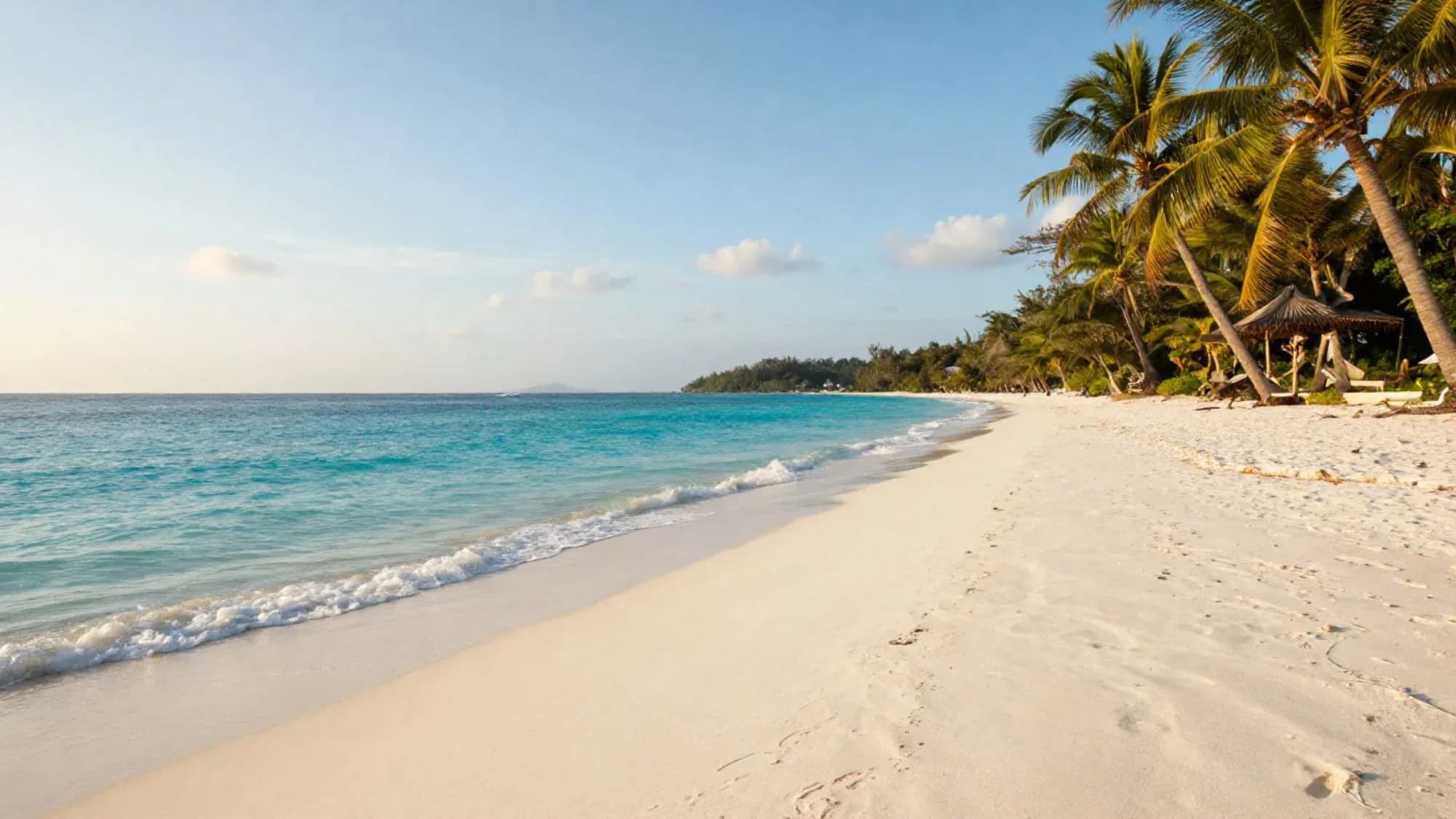
KhmerRooms Journal · Koh Rong
Long Beach
Cambodia’s coastline hides a beach that looks photoshopped. On the western side of Koh Rong, Long Beach unrolls for kilometres of soft white sand against water in three shades of blue — the kind of place foreign travellers fly across the world for, sitting quietly a couple of hours from our own doorstep. It is the antidote to a city week: no traffic, no horns, just the sea doing its thing.
June 15, 2026
Read more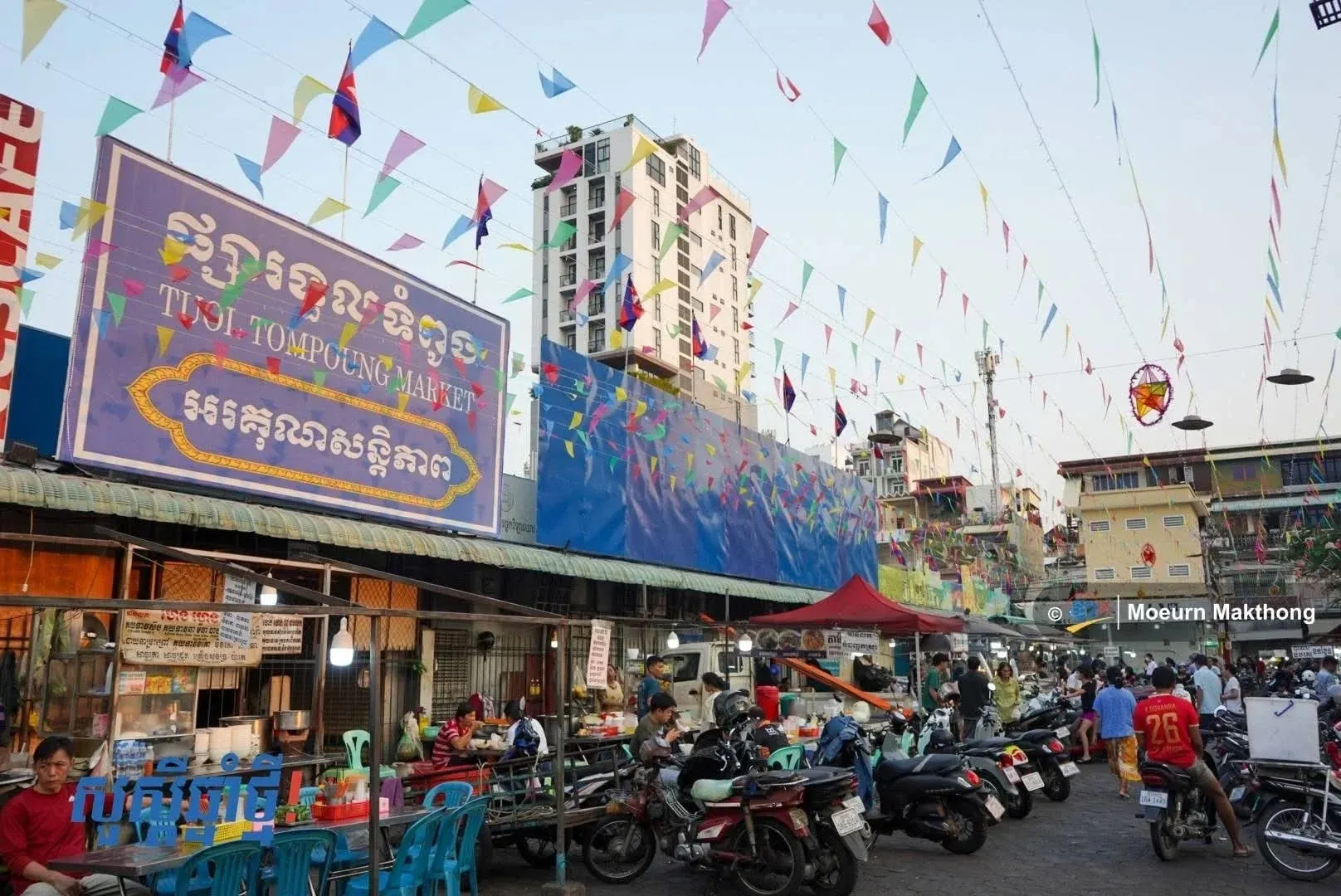
The Teasure Hunt
Russian Market
This is the one to come to when you want to find something. The labyrinth is famous for its treasure-hunt energy — silk scarves and stone carvings, miniature Buddhas, ceramics turned by hand, antiques, racks of clothing carrying every brand label imaginable (most of them optimistic) at prices that make you laugh. Wander deep enough toward the back and the souvenirs give way to a wonderful jumble of scooter and machine parts, all brake discs and tangled wire — proof that for all the tourists, this is still a market where the neighbourhood gets its actual errands done.
June 30, 2026
Read more