KhmerRooms Journal · Koh Kong
Phnom Toub Jeang
ភ្នំទ័ពជាង
A KhmerRooms guide
Sre Ombil, Koh Kong
A domestic picnic-and-viewpoint spot, add the exact location you know.
Weekends & holidays
That’s when the atmosphere is best. The green season makes the hills lush.
Usually free / small local fee
Full day
Going on a dead-quiet weekday
The fun is the crowd. Carry your rubbish out, and check road access in heavy rain.
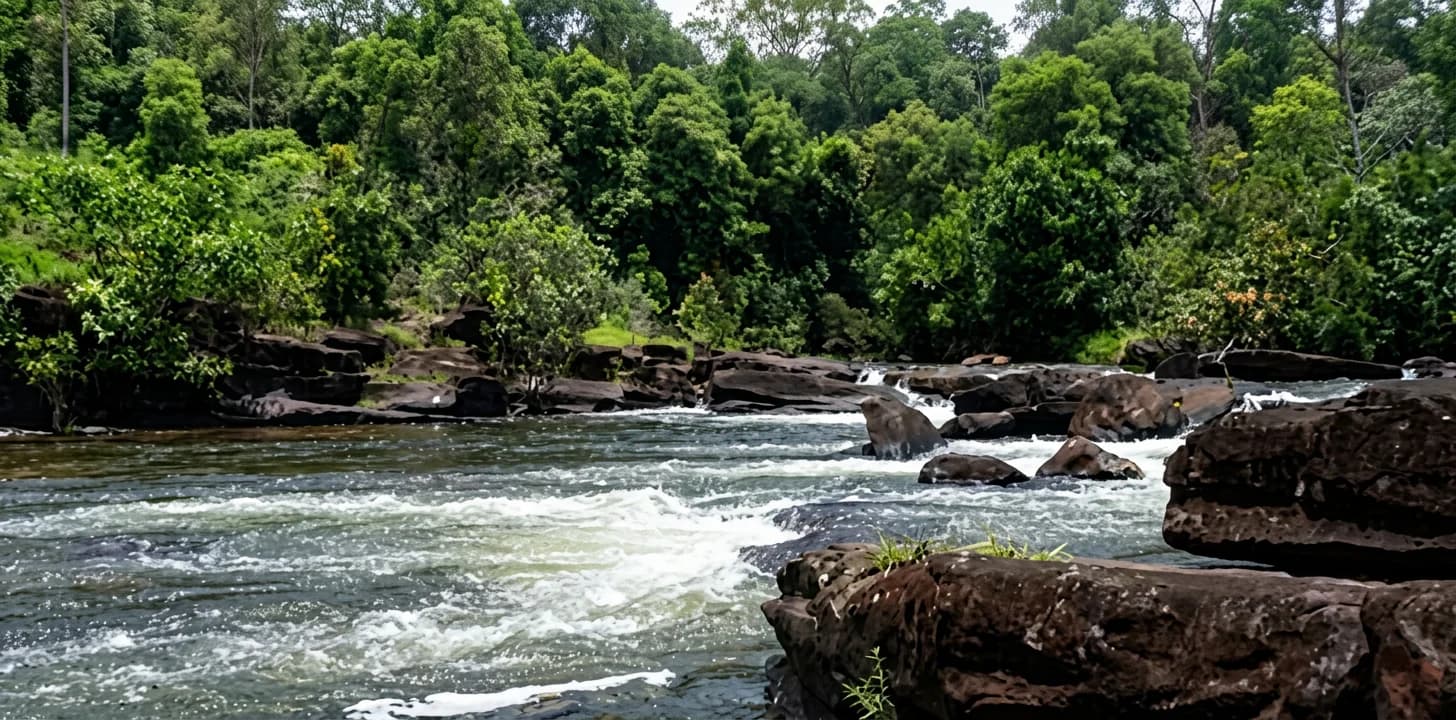
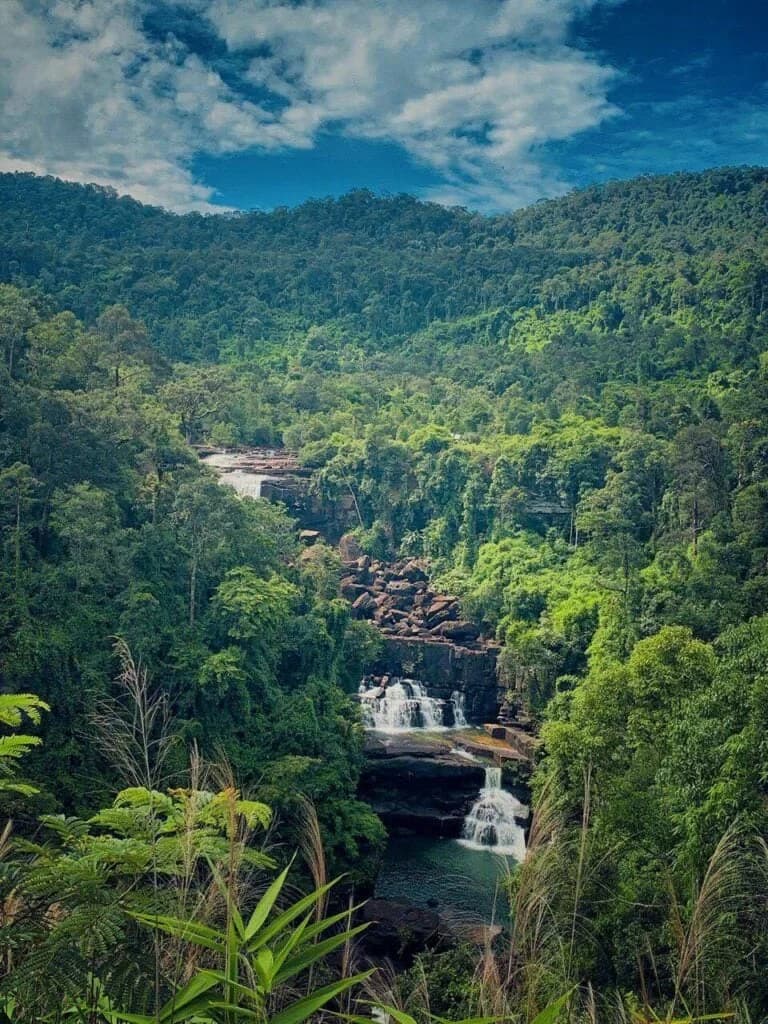
Not every great trip is a famous one. For every Angkor Wat there are a hundred quieter places that never make a foreign travel list: the local hills, the picnic spots, the weekend escapes that Khmer families have loved for generations. Phnom Toub Jeang is that kind of place: not polished, not packaged, not on anyone’s bucket list. Just somewhere good to spend a day with the people you like.
This is travel the way most Cambodians actually do it. You pack food rather than book a restaurant. You spread a mat in the shade rather than reserve a sun-lounger. You climb a bit for the view, you eat too much grilled meat, the kids run wild, and someone inevitably brings a speaker. There’s no checklist of “things to see” . The whole activity is being there, together, away from the heat and noise of the city. It’s cheap, it’s easy, and it’s the part of Cambodian life that almost never shows up in glossy tourism campaigns.
Pack a mat, bring your people
The ritual is half the joy. The classic outing means an early-ish start to beat the worst heat, a stop on the way for grilled chicken, sticky rice, fruit and cold drinks, and then claiming a good shaded spot once you arrive. There’s usually a climb involved modest, not a mountaineering expedition rewarded at the top with a long view over the surrounding countryside that makes the sweat worth it. Then it’s back down to the mat for the serious business of eating, talking and doing absolutely nothing for a few hours. That’s the itinerary. That’s all it needs to be.
Foreigners chase the temples. The smartest weekends in Cambodia are the ones the tour buses never hear about.
There is a whole culture of this kind of travel in Cambodia that rarely gets written down. Weekends and holidays send families streaming out of the cities toward hills, rivers, waterfalls and reservoirs not to sightsee in the foreign sense, but to eat, rest and simply be together somewhere green. The destination is almost secondary; the point is the leaving, the shared food, the long afternoon with nothing scheduled. Spots like this are the backbone of how most Cambodians actually take a break, and they are some of the warmest, most genuine places you can spend a day precisely because they were never built for outsiders. If you are making the trip, a little preparation goes a long way. Bring a woven mat or two, more food and water than you think you will need, a power bank, and a bag to carry your rubbish home in. Go early to claim a good shaded spot before the crowd builds, wear shoes you can manage a rough path in, and keep small cash for snacks, drinks, or a parking or mat fee if there is one. Most of all, match your expectations to the place: this is not a manicured attraction with signs and a gift shop, it is a hillside that local families have quietly made their own. Show up in that spirit and it gives back tenfold.
Go on a weekend or a public holiday if you want the real experience. A weekday can be peaceful but a little lonely, and half the charm here is the buzz of other families doing exactly what you’re doing. Green season turns the hills properly lush, though you’ll want to check that the access road is passable after heavy rain. Wear shoes you can climb in, bring more water than you think you need, and this matters carry every scrap of your rubbish back out with you. These local spots stay beautiful only because the people who love them look after them. A note for the editor: because this is a beloved local spot rather than a heavily documented tourist site, the practical details above exact province, how to get there, any entry or parking fee, the height of the climb are best filled in from your own knowledge before this goes live. The voice and structure are ready; just drop your local facts into the “Before You Go” box and the lines marked above, and it’s good to publish.
More from the Journal
KhmerRooms Journal · Siem Reap
Angkor Wat
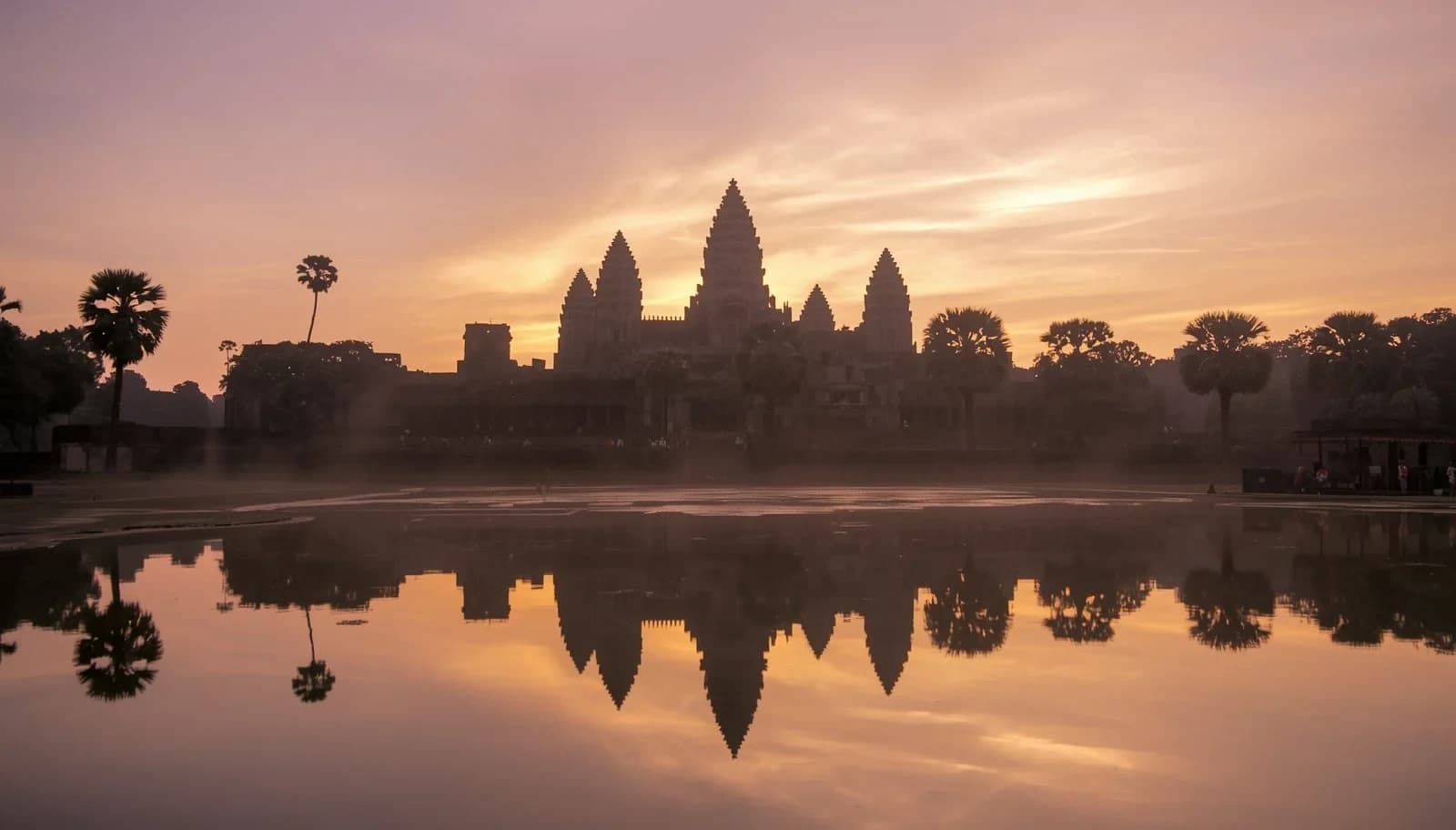
You have seen it a thousand times before you ever stand in front of it. It’s on the flag. It’s on the beer bottle, the riel note, the back of the school exercise book, the logo of half the businesses in town. Angkor Wat is so woven into being Khmer that it can start to feel like wallpaper — beautiful, familiar, easy to scroll past. And then you go at five in the morning, the sky behind it turns the colour of a ripe mango, those five stone towers appear upside-down in the water at your feet, and you understand why your great-grandparents thought gods had a hand in building it.
June 13, 2026
Read more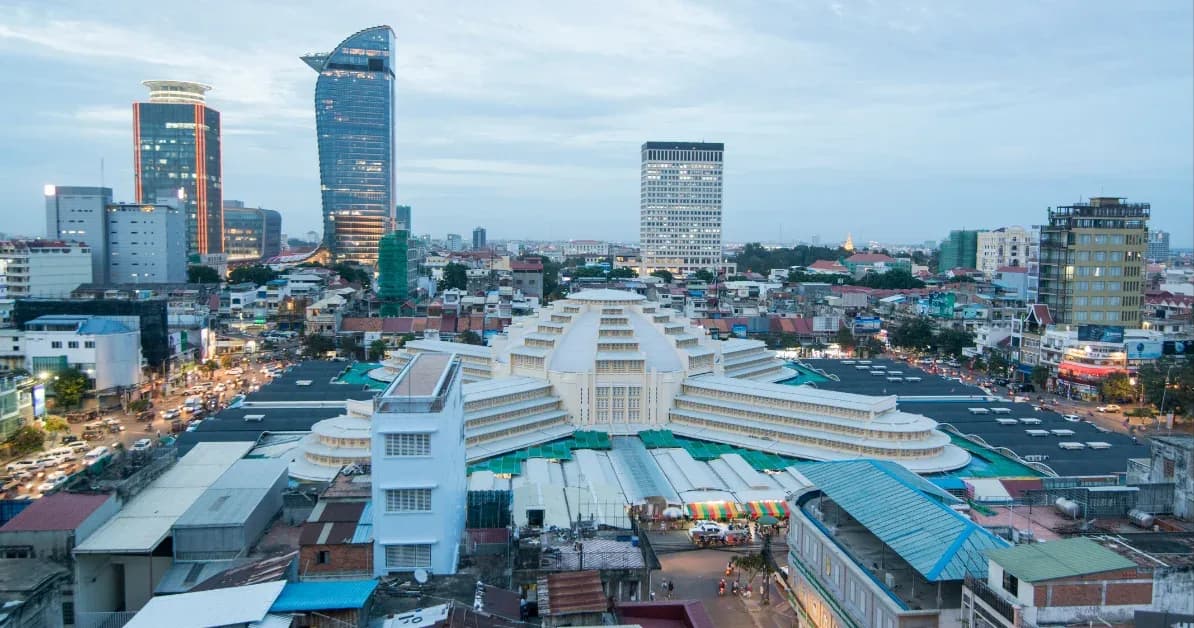
KhmerRooms Journal · Phnom Penh
Central Markets
A Cambodian market is not just shopping. It is the engine room of a community: produce trucked in from the provinces before dawn, gold weighed on tiny scales, knock-off football shirts hung next to hand-loomed silk, and somewhere in the middle of it all a woman ladling out the best noodle soup you will eat all trip. The aisles are narrow, the air is thick, the prices are a conversation rather than a number. Once you understand that rhythm, the market stops being chaotic and starts reading like the most honest tour of Cambodian daily life you can take. Here are three of Phnom Penh’s great markets: one a colonial-era landmark, one the city’s favourite treasure-hunt, and one almost nobody puts in a guidebook. Together they are the best window in the city into how Cambodians actually shop, eat and spend a morning. Take them slowly, come hungry, and bring small notes. You will spot it before anyone has to point it out: a vast butter-yellow dome with four great wings spreading off it like the arms of a star, dropped into the middle of the city as if from another planet. The locals call it Phsar Thmey the “new market” though it has been here since 1937, built by the French in glorious Art Deco when the spot was still a drained swamp. For years it was said to sit under one of the largest domes in Asia. Step inside and you understand the genius of it: the high ceilings and long horizontal openings keep the whole hall cool and breathing even when the street outside is shimmering with heat. It has earned its nickname as a living art museum.
June 30, 2026
Read more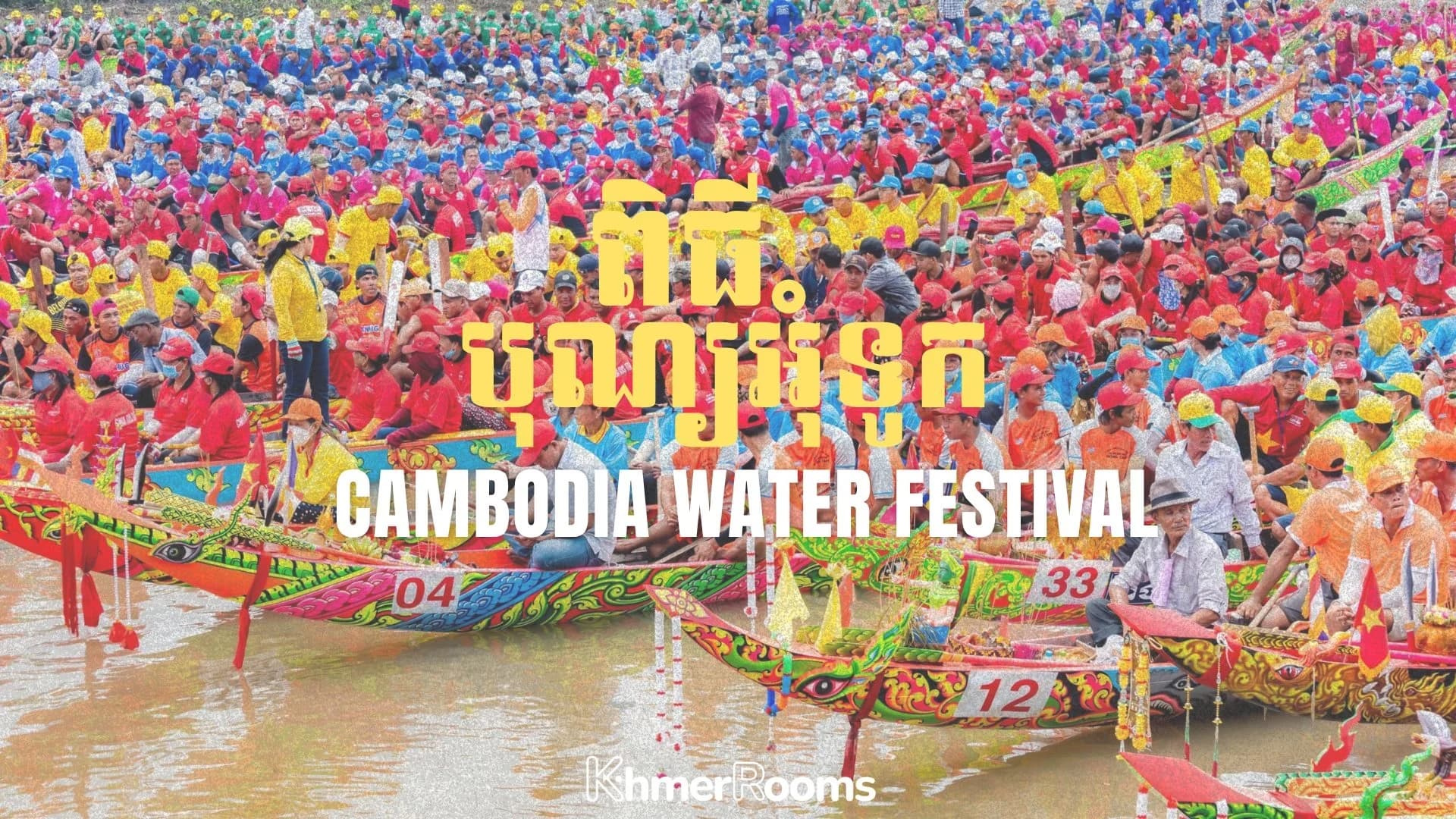
KhmerRooms Holiday
Cambodia Water Festival 2026: A Local's Guide to Bon Om Touk
Every November, the Tonlé Sap River reverses direction - a natural phenomenon that's shaped Cambodian life for centuries. Bon Om Touk celebrates that reversal, and it doubles as a commemoration of a 12th-century naval victory under King Jayavarman VII. For three days, Phnom Penh's riverfront becomes the center of the country: long, hand-carved boats race along Sisowath Quay, drums keep the rowers' rhythm, and the nights close with fireworks and moon-prayer offerings of ambok (flattened rice).
September 2, 2026
Read more