KhmerRooms Journal · Siem Reap
Pub Street
ភាប់ស្ត្រិត
A KhmerRooms guide
Central Siem Reap
A short walk from the Old Market (Psar Chas).
After dark, from 6 PM
Daytime it’s sleepy; at night it lights up.
Free
The street is open to all, you only pay for what you eat and drink.
An evening
Easy to fill two or three hours.
Main-strip prices & watching your drink
Side lanes are cheaper and better. Keep an eye on your drink, and it gets loud very late.
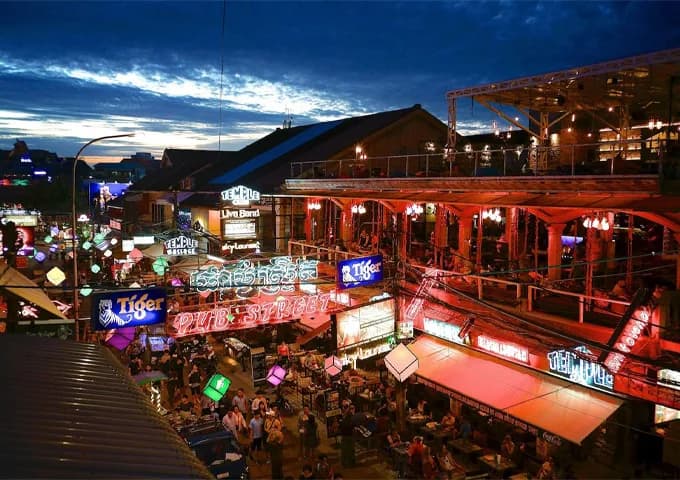
After a 5 AM sunrise and a day of nine-hundred-year-old stone, your brain wants the exact opposite of a temple. Pub Street delivers it. One short, pedestrianised strip in the centre of Siem Reap explodes after dark into neon, music and the smell of street food, the designated decompression chamber for everyone who’s spent the day being quiet and reverent at Angkor.
It is gloriously, unapologetically over the top. Bars stack their signs on top of each other in competing colours, draft beer goes for as little as fifty cents a glass, and clubs spill music into the street where everyone just mingles in the middle. There are fish foot-spas where tiny fish nibble your feet while you laugh nervously, ice-cream rolls clattering on cold plates, and hawkers selling everything from sunglasses to fried tarantulas. Is it touristy? Completely. Is it fun? Also completely. The trick is to lean into it rather than judge it.
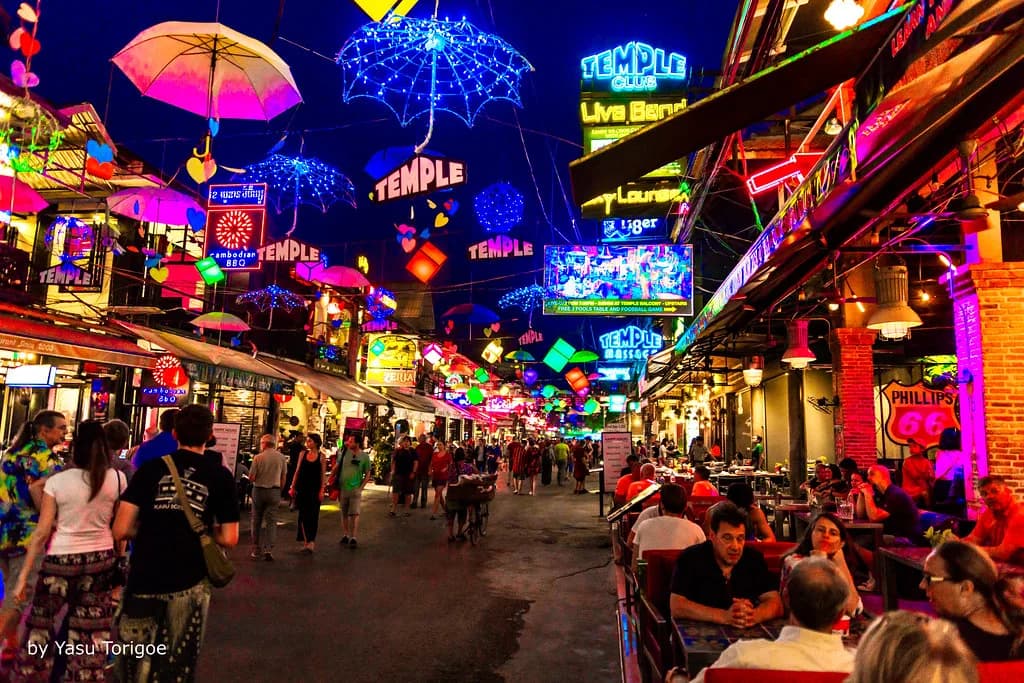
The good stuff is in the side lanes
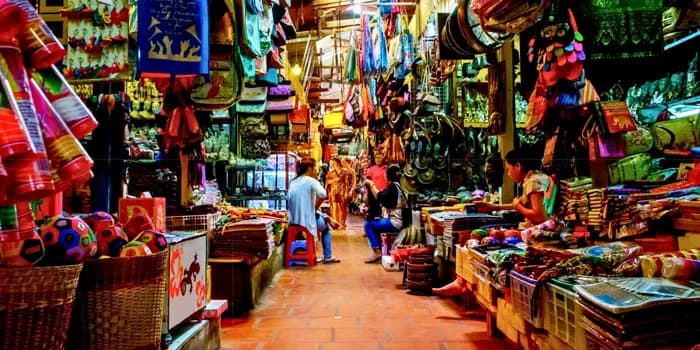
Here’s the local secret most visitors miss: the main strip is the show, but the side lanes are where it’s actually good. Duck into The Lane or Alley West, the narrow passages running parallel, and you trade the bass-heavy bars for cocktail spots, quieter terraces, small galleries and some of the better food in town. And don’t forget that Pub Street sits right beside the Old Market (Psar Chas) and the Angkor Night Market so a proper evening here can roll from a bowl of num banh chok at a food stall, to a cheap beer on the strip, to souvenir-hunting in the market, all within a few hundred metres.
Sunrise at Angkor, sunset on the temples, and then this. The contrast is the whole point.
It helps to remember how new all of this is. A generation ago Siem Reap was a sleepy town; the explosion of visitors to Angkor turned a few central lanes into one of Southeast Asia’s best-known nightlife strips in barely two decades. Pub Street grew up to serve that crowd, which is exactly why it can feel more international than Khmer yet it sits right on top of much older bones. The Old Market, Psar Chas, has been trading here far longer than any bar, and by day the same streets are about iced coffee, fabric stalls and noodle soup. Come in the afternoon and you would never guess what happens after dark. If the full neon assault is not your thing, the area still has you covered. The riverside a few blocks away is calmer, the cafes and dessert spots around the Old Market make for a gentler evening, and plenty of bars on the edges pour a relaxed drink without the bass. However you play it, a few habits keep the night easy: agree on prices before the bill at the busier spots, go easy mixing cheap spirits, keep your phone and bag close in the crush, and decide your end-time in advance if a sunrise is waiting. Treated right, Pub Street is the perfect full stop on a Siem Reap day loud, cheap, a little ridiculous, and exactly what tired temple-legs are looking for. Come hungry and come after dark by daylight. Pub Street is just a quiet, slightly grubby lane, but from about six in the evening it transforms. Eat first while you’re still sharp: the side-lane kitchens and the night-market food court do everything from wood-fired pizza to a proper Khmer barbecue. Then ease into the night at your own pace. There’s no entry fee anywhere you only spend on what you order — so it’s an easy place to have a big night or a cheap one. Keep a little street sense about you. Prices on the main strip are tourist-tier, so check before you order if you’re counting riel; never leave a drink unattended; and remember the music runs late, so if you’ve got another temple sunrise planned, know when to call it. Base yourself within walking distance and that last decision gets a lot easier you can wander home in five minutes instead of negotiating a tuk-tuk at 1 AM. After a day of bowing to the past, one loud, neon, fifty-cent-beer night is a perfectly Cambodian way to celebrate being alive in the present.
More from the Journal
KhmerRooms Journal · Phnom Penh
Central Markets
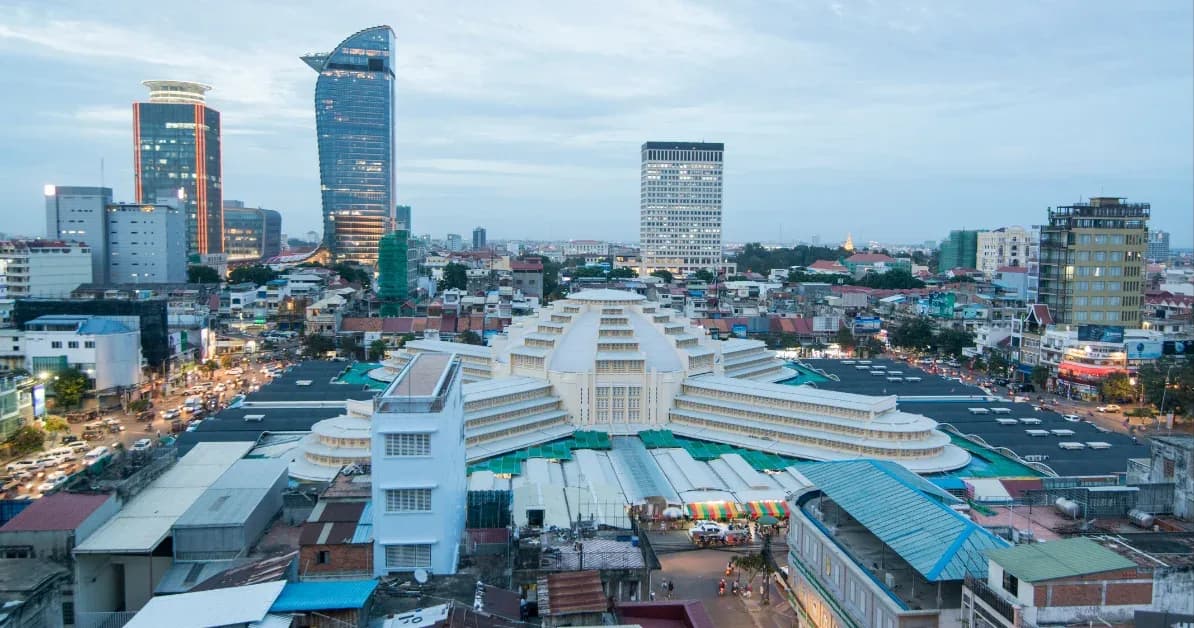
A Cambodian market is not just shopping. It is the engine room of a community: produce trucked in from the provinces before dawn, gold weighed on tiny scales, knock-off football shirts hung next to hand-loomed silk, and somewhere in the middle of it all a woman ladling out the best noodle soup you will eat all trip. The aisles are narrow, the air is thick, the prices are a conversation rather than a number. Once you understand that rhythm, the market stops being chaotic and starts reading like the most honest tour of Cambodian daily life you can take. Here are three of Phnom Penh’s great markets: one a colonial-era landmark, one the city’s favourite treasure-hunt, and one almost nobody puts in a guidebook. Together they are the best window in the city into how Cambodians actually shop, eat and spend a morning. Take them slowly, come hungry, and bring small notes. You will spot it before anyone has to point it out: a vast butter-yellow dome with four great wings spreading off it like the arms of a star, dropped into the middle of the city as if from another planet. The locals call it Phsar Thmey the “new market” though it has been here since 1937, built by the French in glorious Art Deco when the spot was still a drained swamp. For years it was said to sit under one of the largest domes in Asia. Step inside and you understand the genius of it: the high ceilings and long horizontal openings keep the whole hall cool and breathing even when the street outside is shimmering with heat. It has earned its nickname as a living art museum.
June 30, 2026
Read more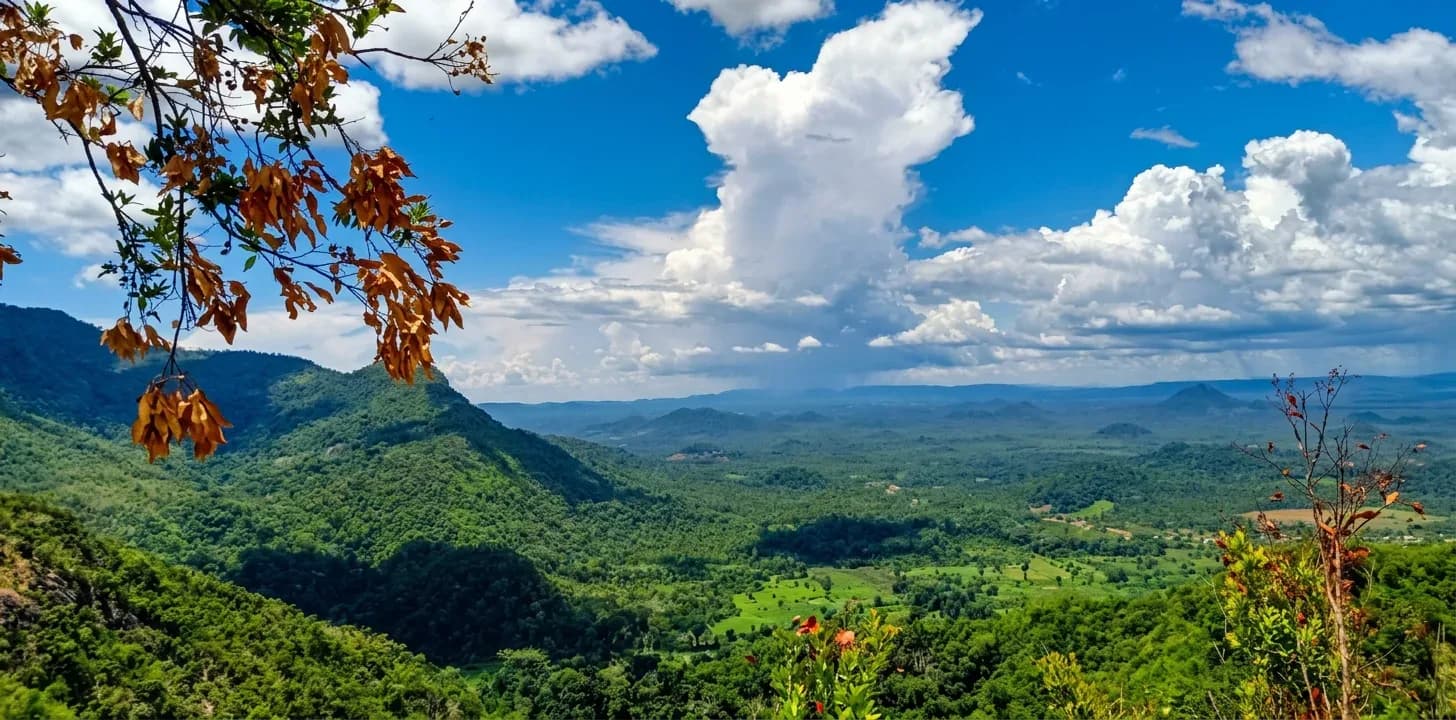
KhmerRooms Journal · Koh Kong
Phnom Toub Jeang
This is travel the way most Cambodians actually do it. You pack food rather than book a restaurant. You spread a mat in the shade rather than reserve a sun-lounger. You climb a bit for the view, you eat too much grilled meat, the kids run wild, and someone inevitably brings a speaker. There’s no checklist of “things to see” . The whole activity is being there, together, away from the heat and noise of the city. It’s cheap, it’s easy, and it’s the part of Cambodian life that almost never shows up in glossy tourism campaigns.
June 23, 2026
Read more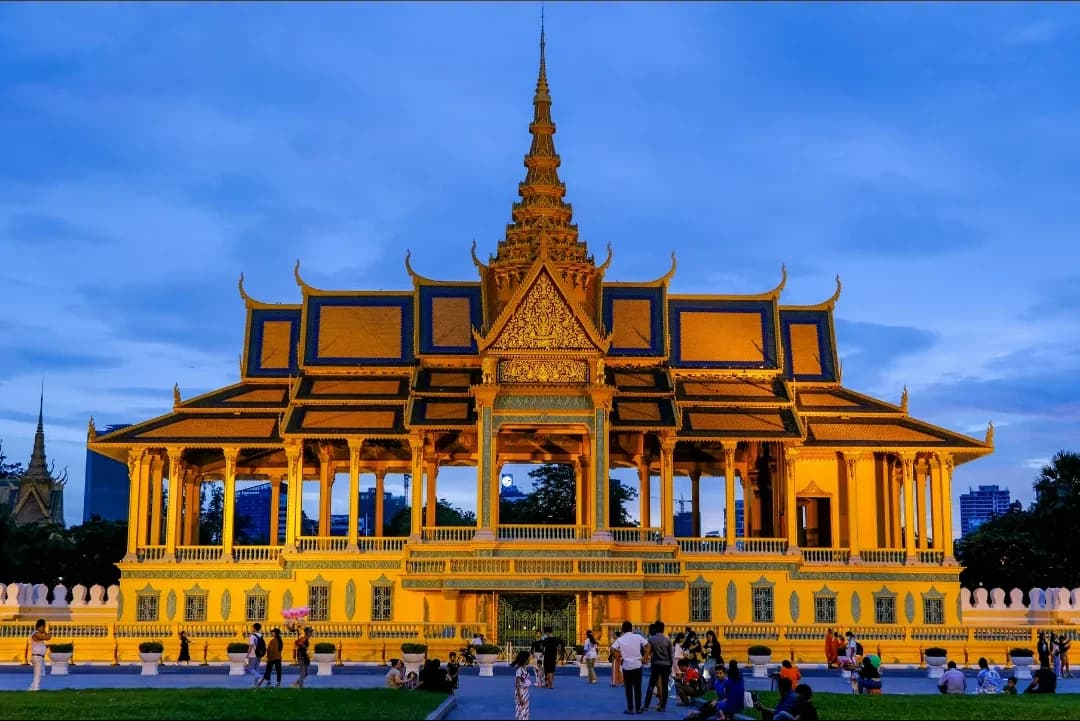
The Heritage
The Royal Palace
Unlike a lot of royal sites around the world that have been turned entirely into museums, the Royal Palace is still an active residence. The King of Cambodia lives and works here, which gives the whole complex a different kind of energy than your typical historical attraction. You're not just looking at the past, you're standing beside something that's still very much part of the present. Certain areas are reserved for royal use and closed to visitors, which only adds to the intrigue as you wander the grounds that are open. There's a quiet formality to the place, guards posted at intervals, manicured gardens lining the walkways, buildings kept in pristine condition.
July 6, 2026
Read more